Safe Transitions Between Deck Levels
Custom Exterior Stairs: Safe, Uniform Access for Decks and Porches—Serving Clients Nationwide
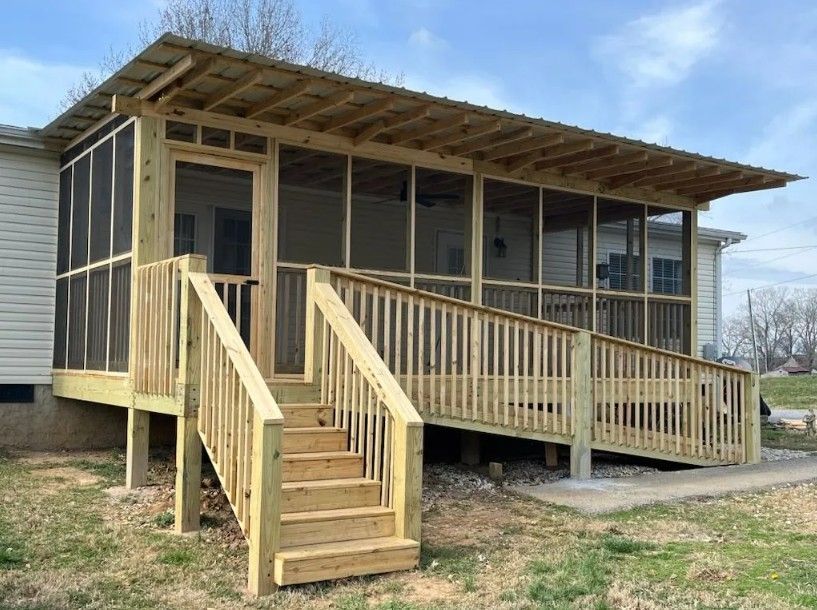
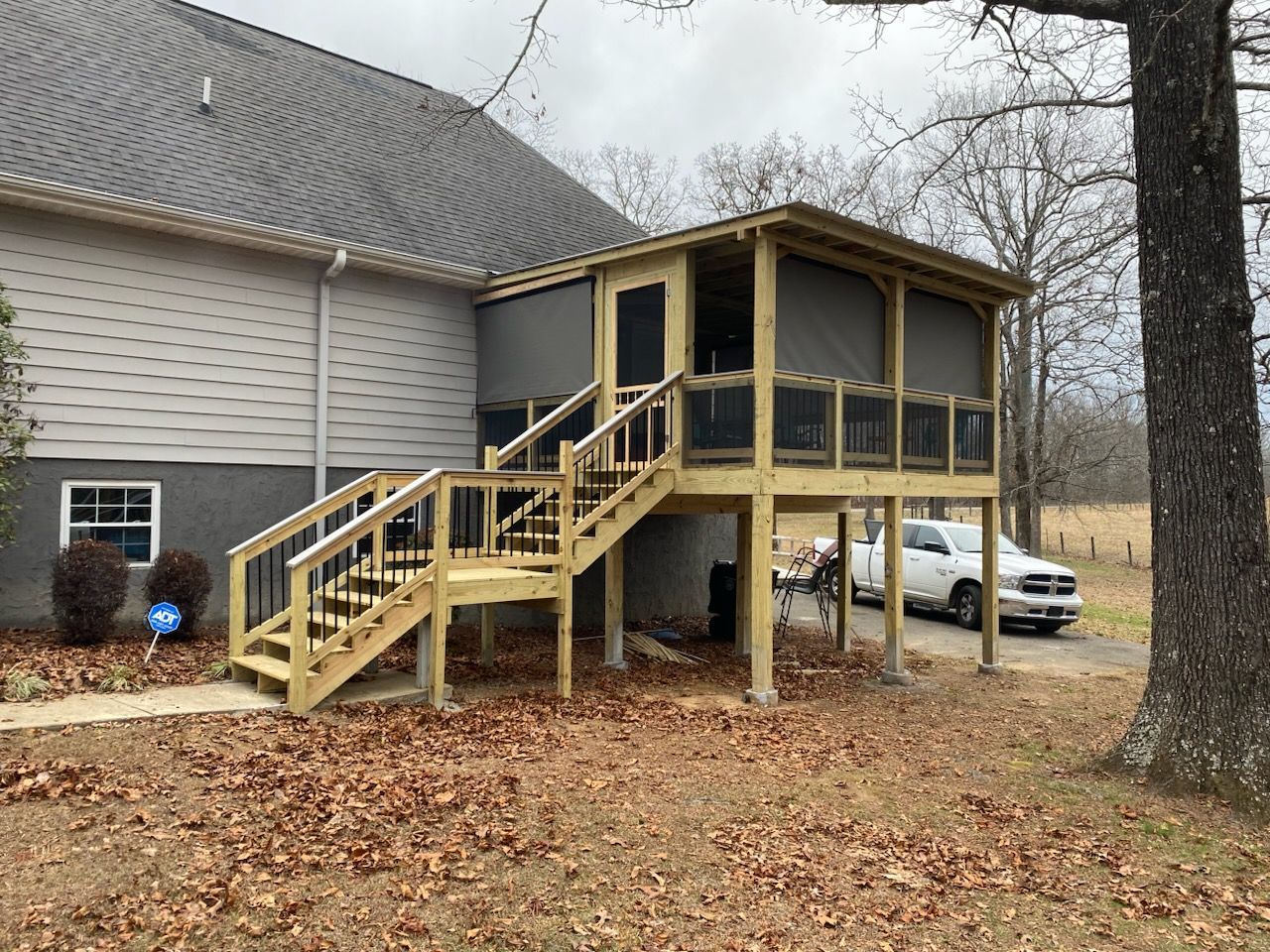
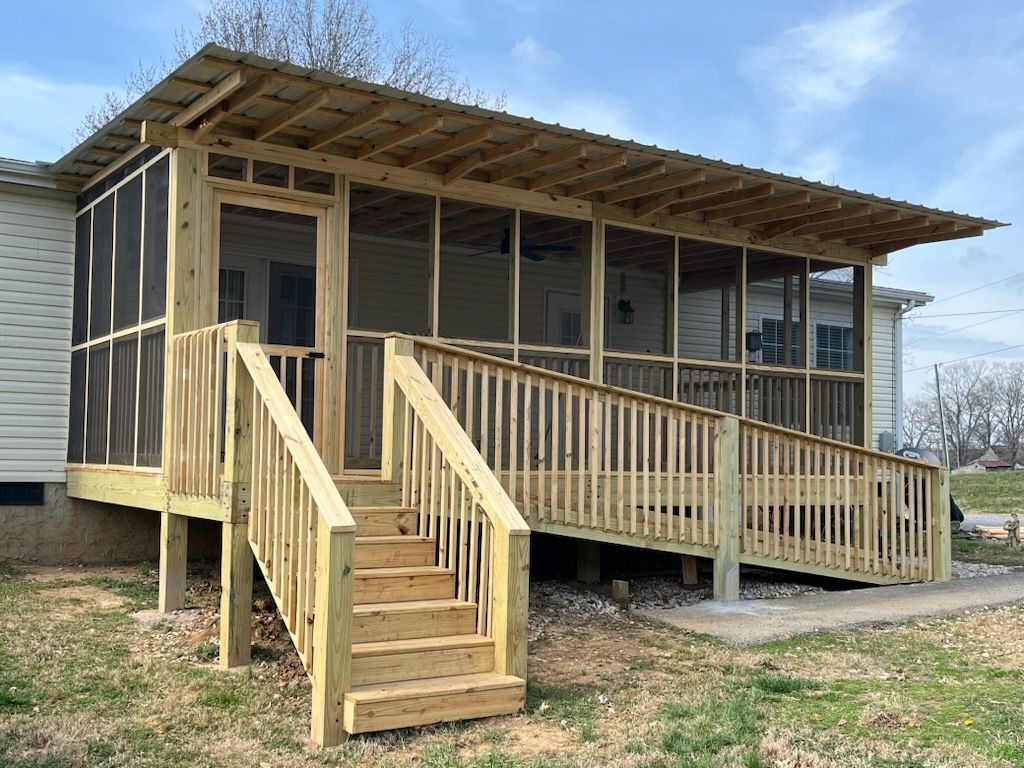
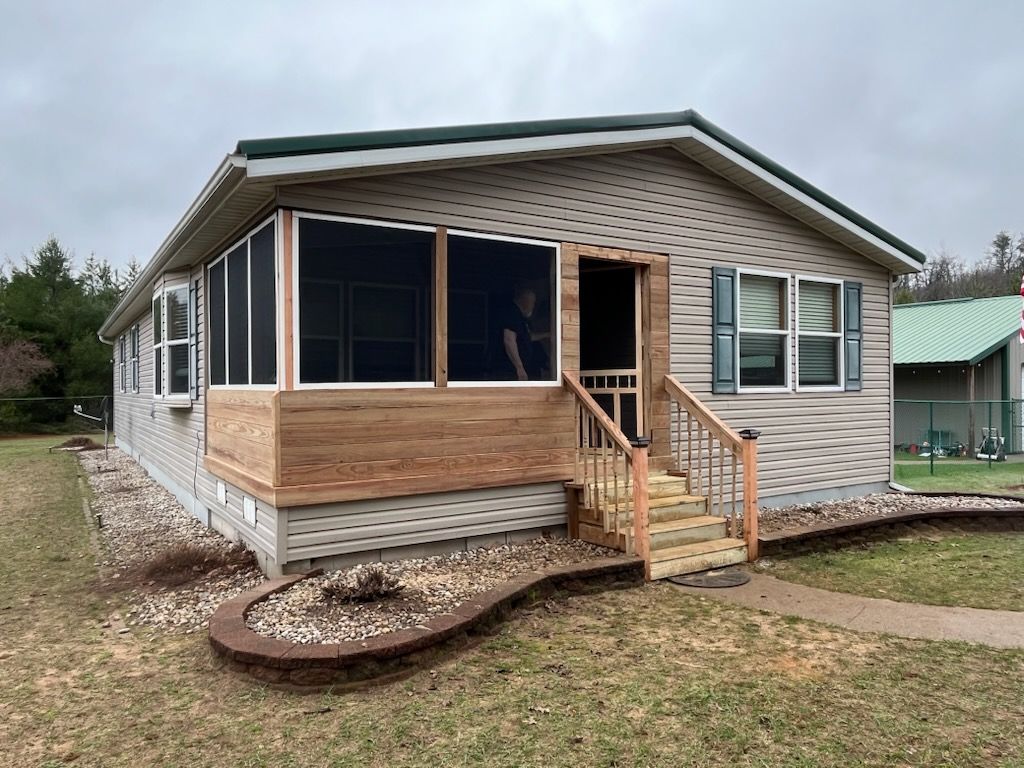
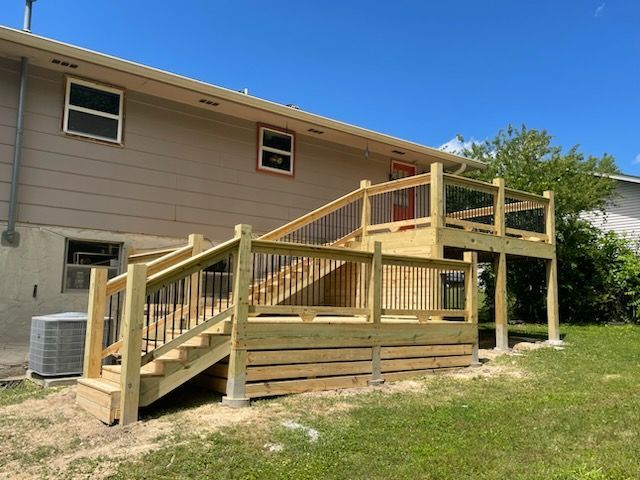
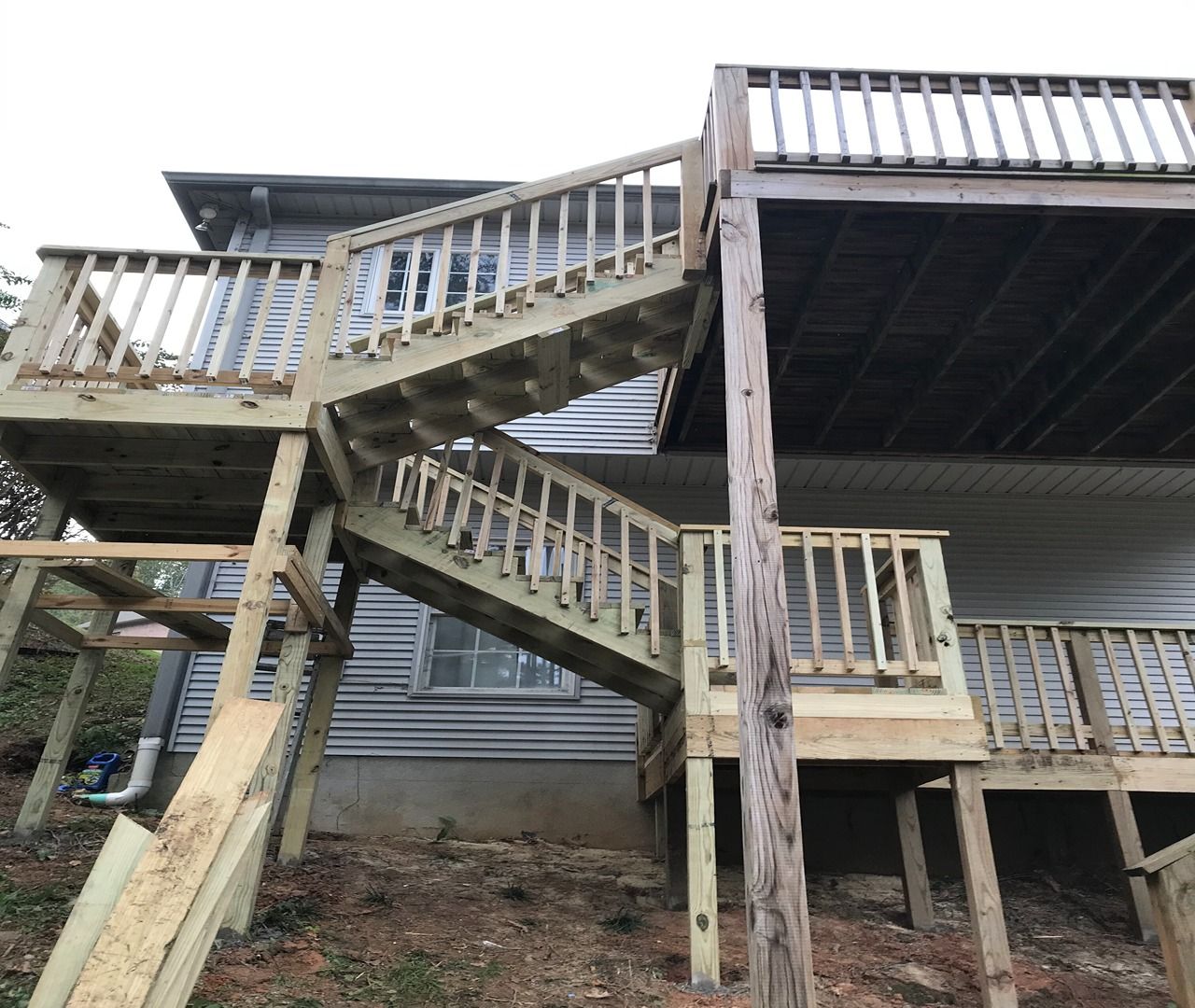
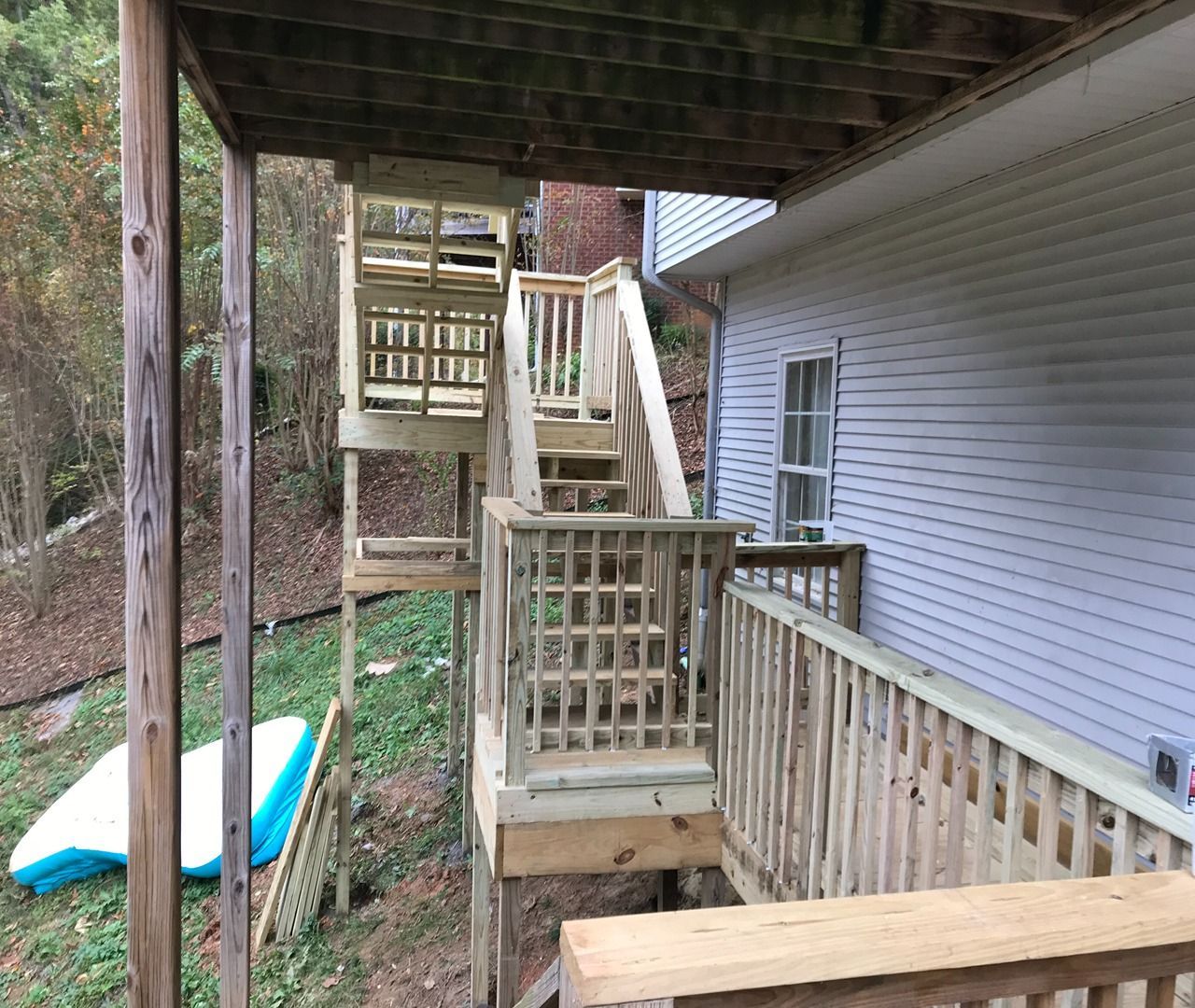
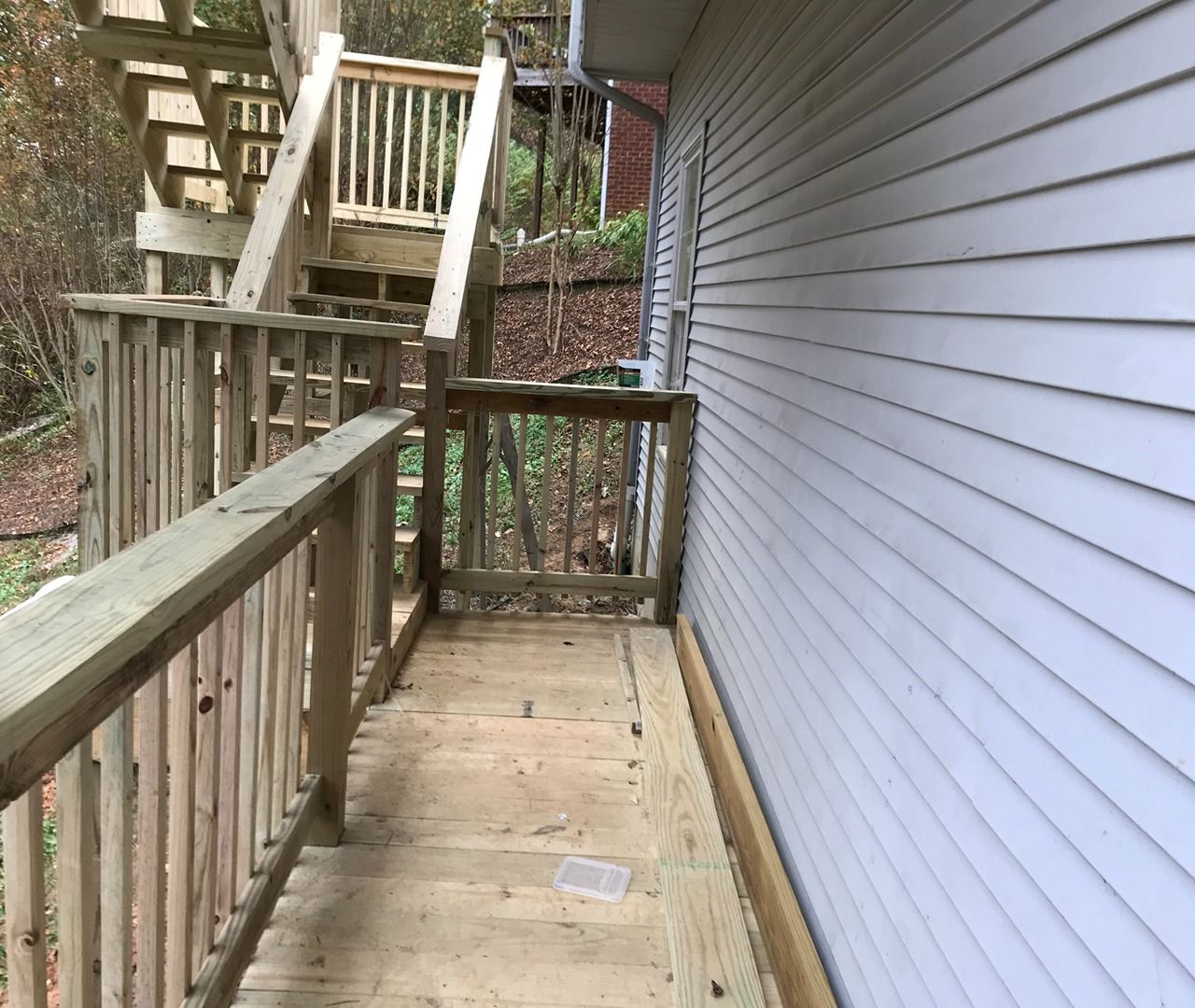
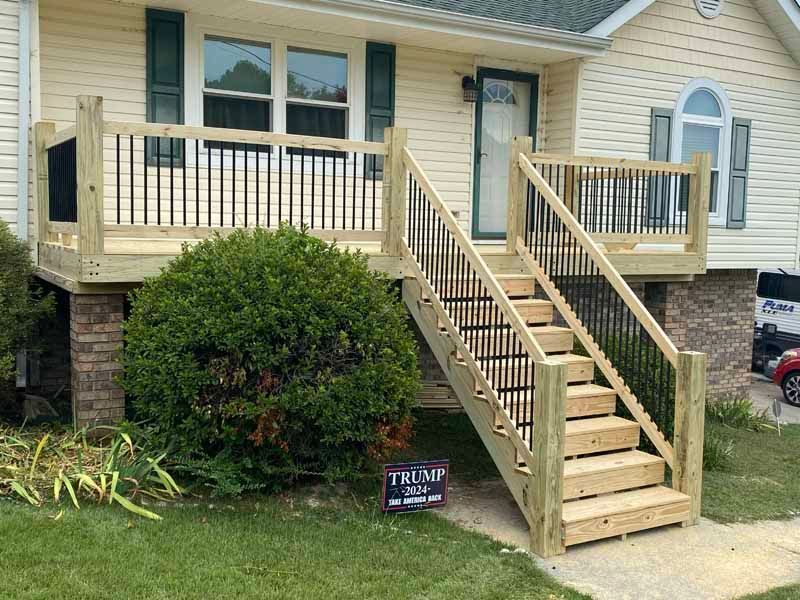
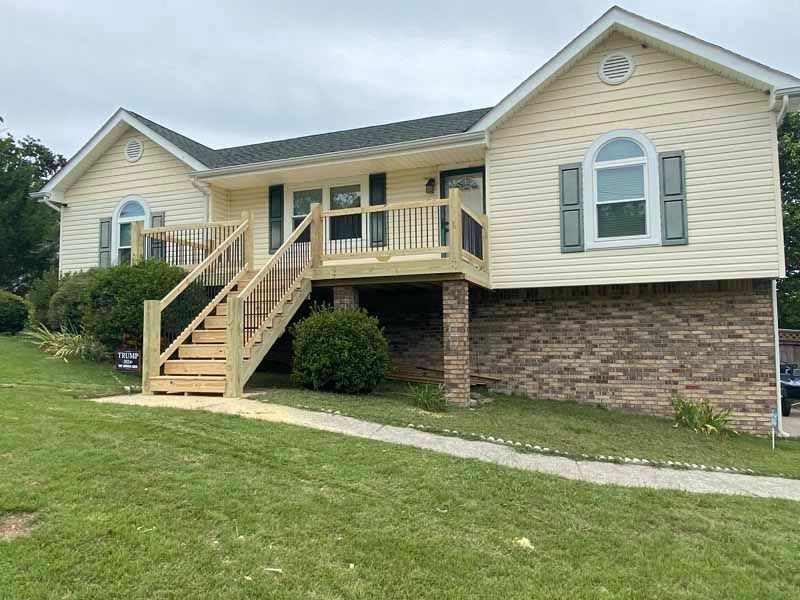
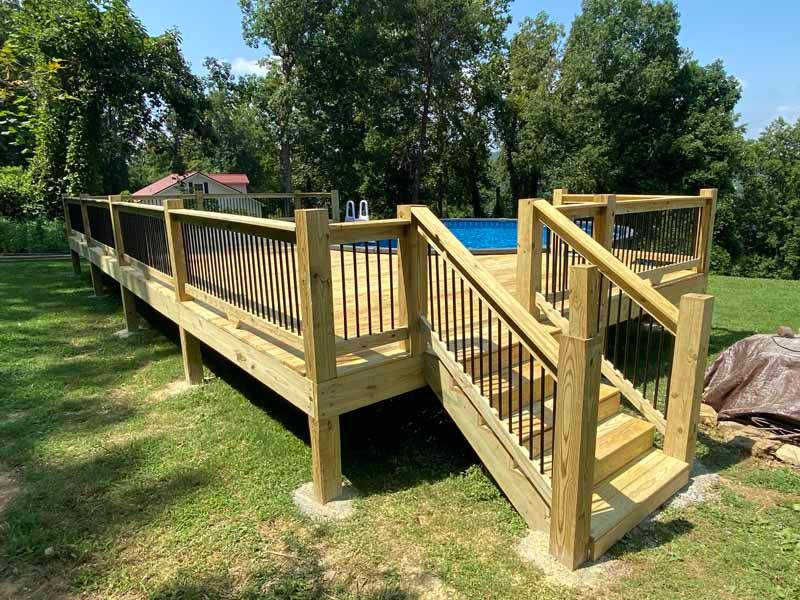
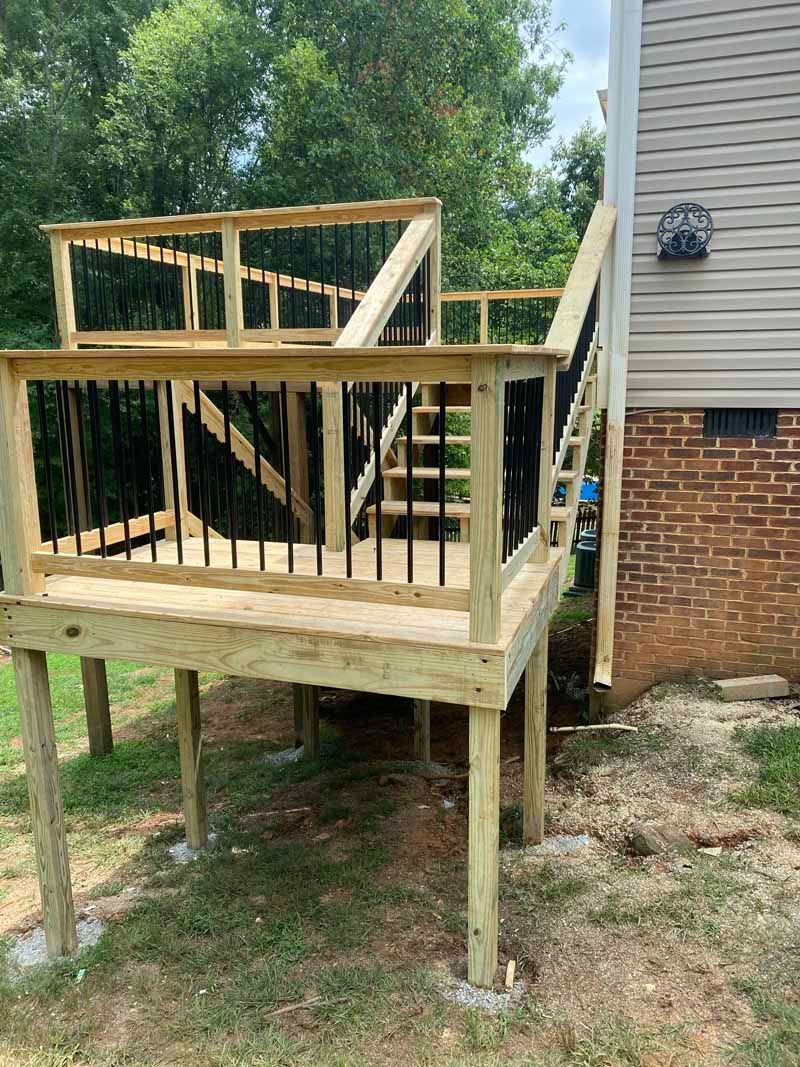
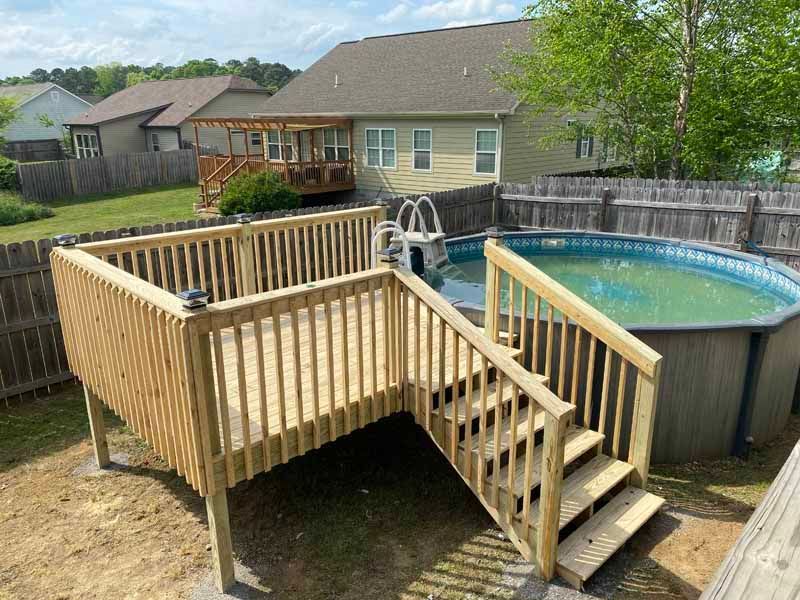
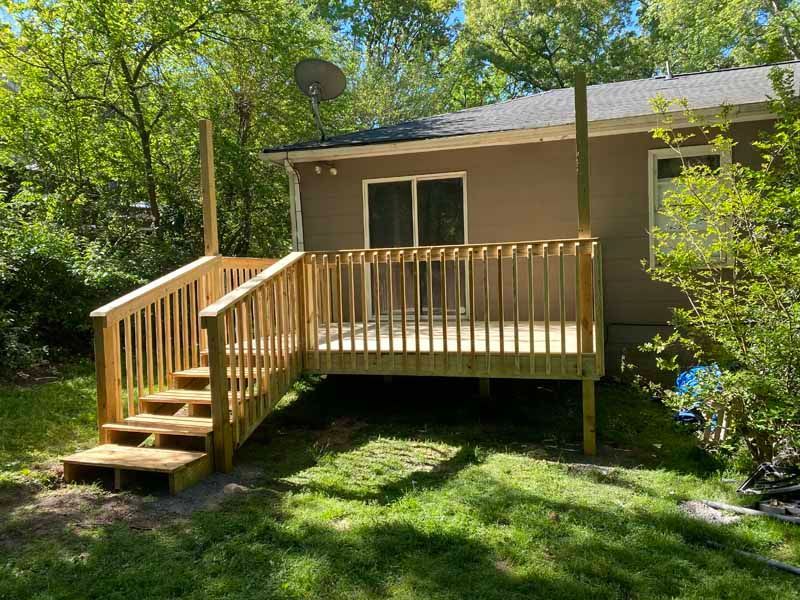
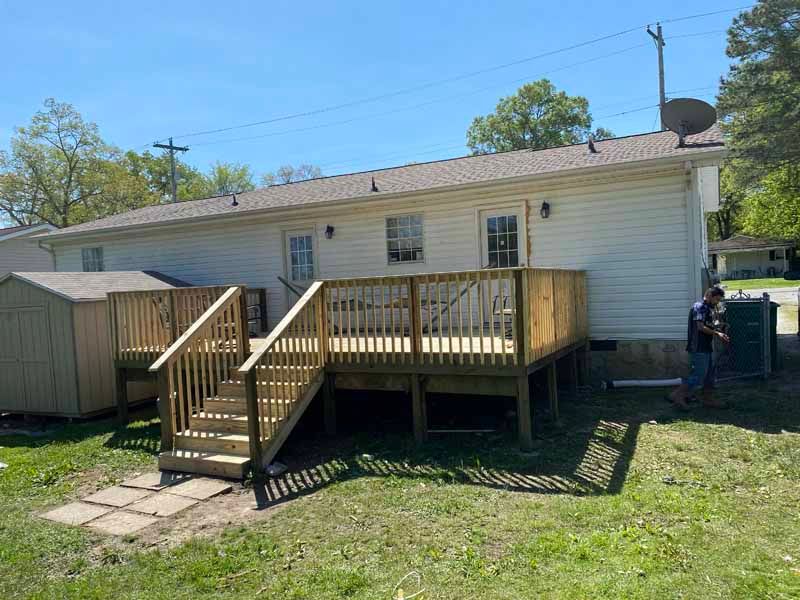
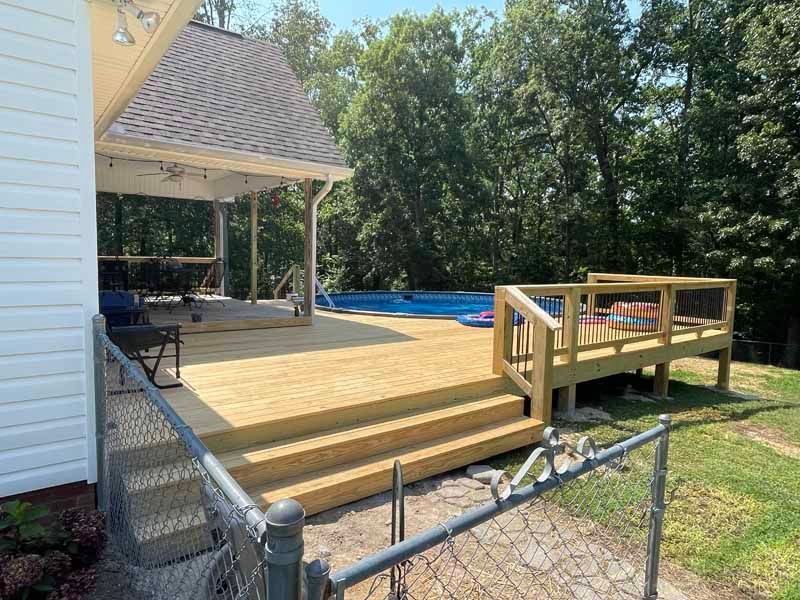
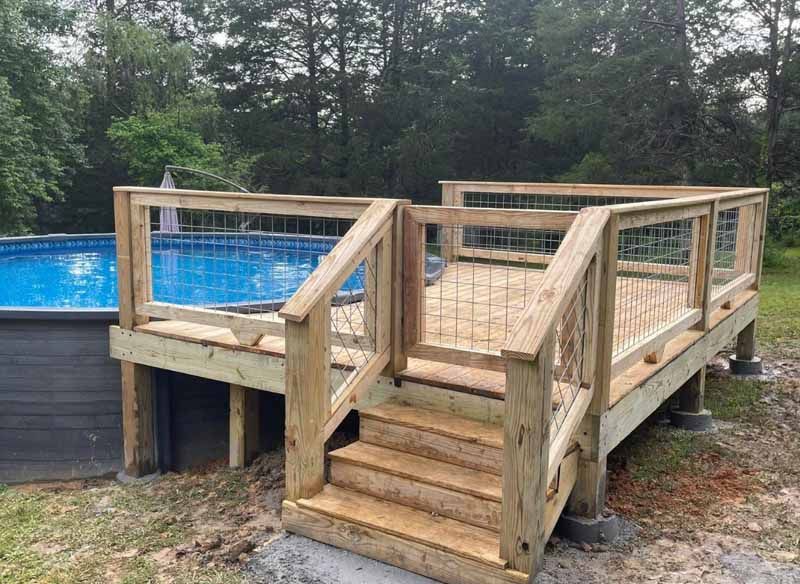
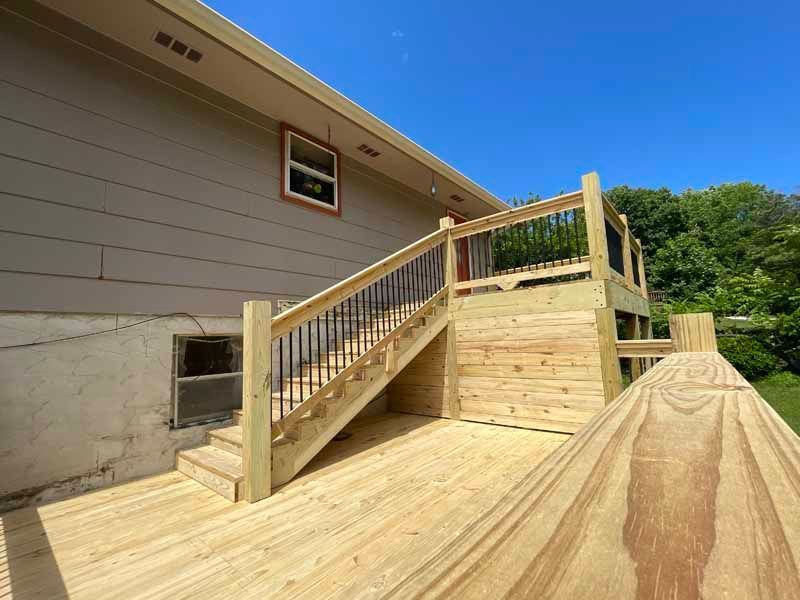
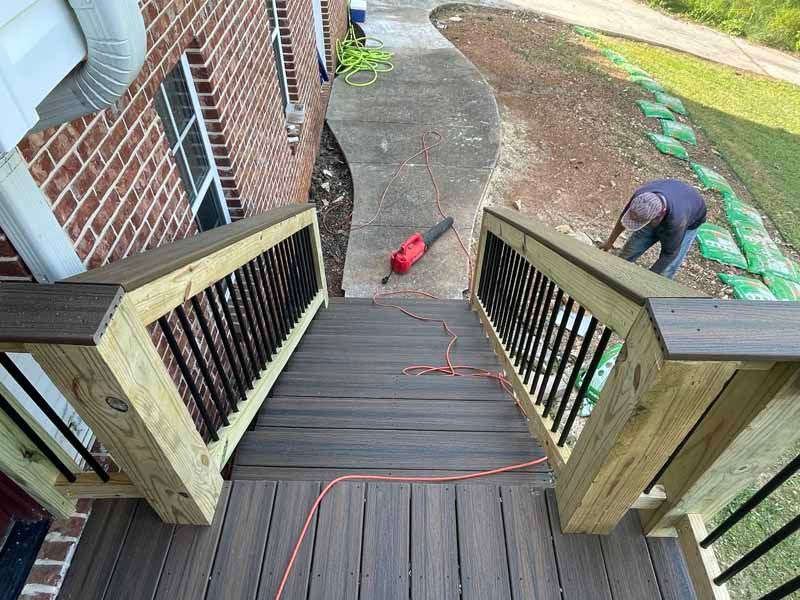
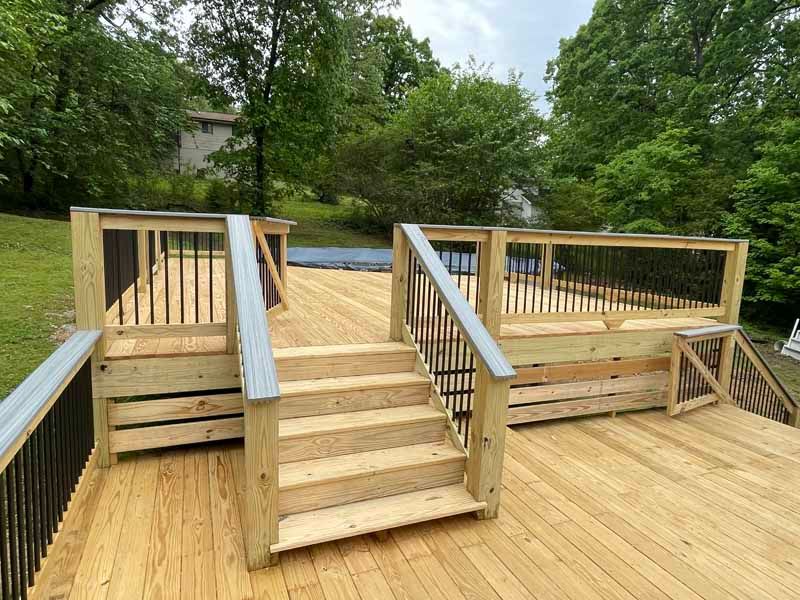
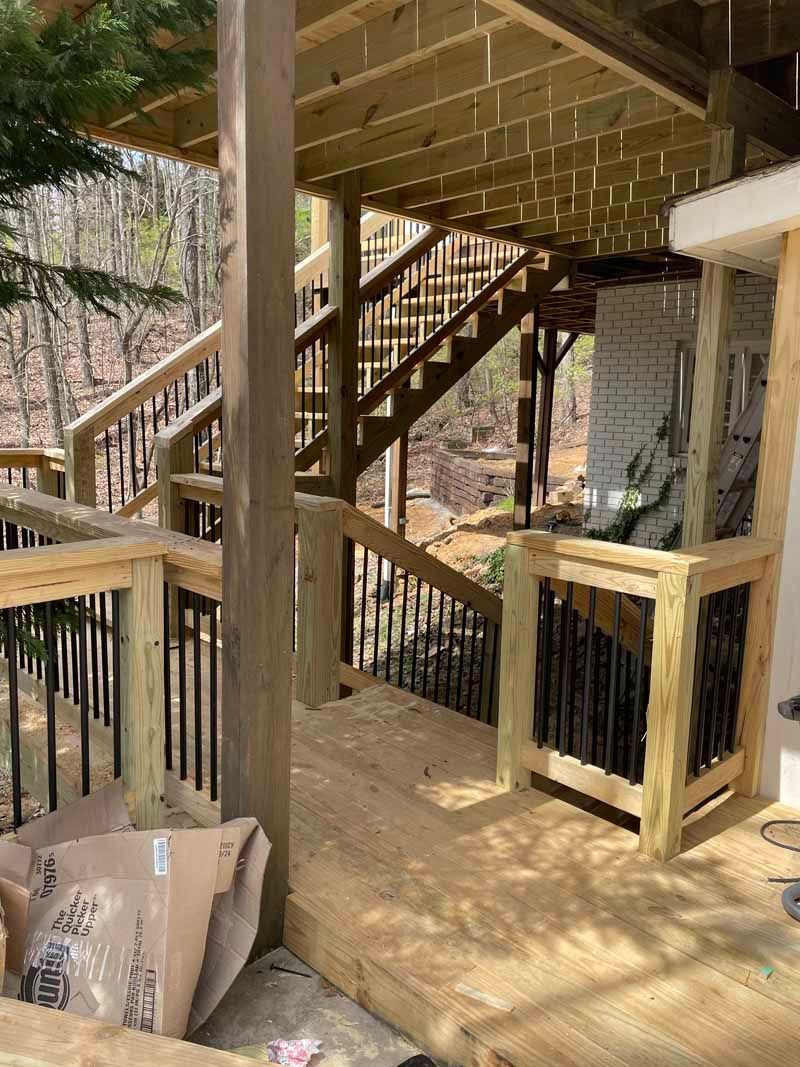
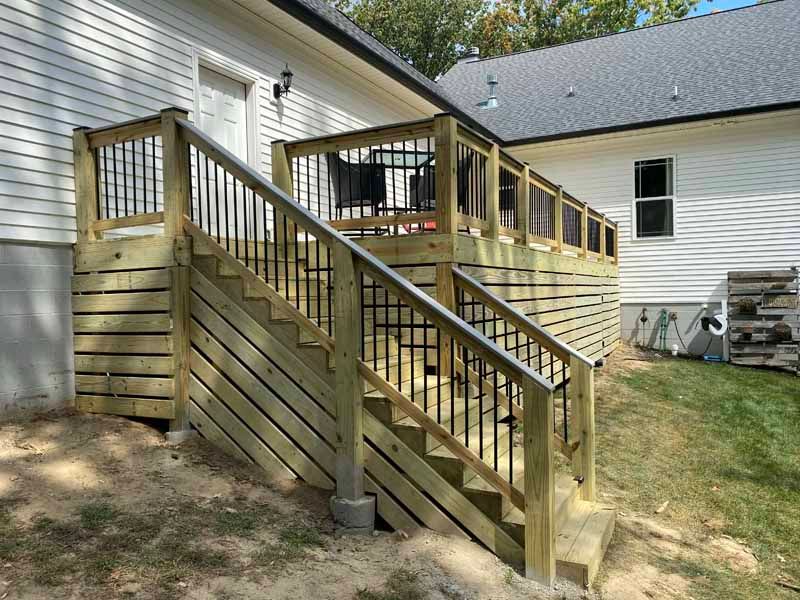
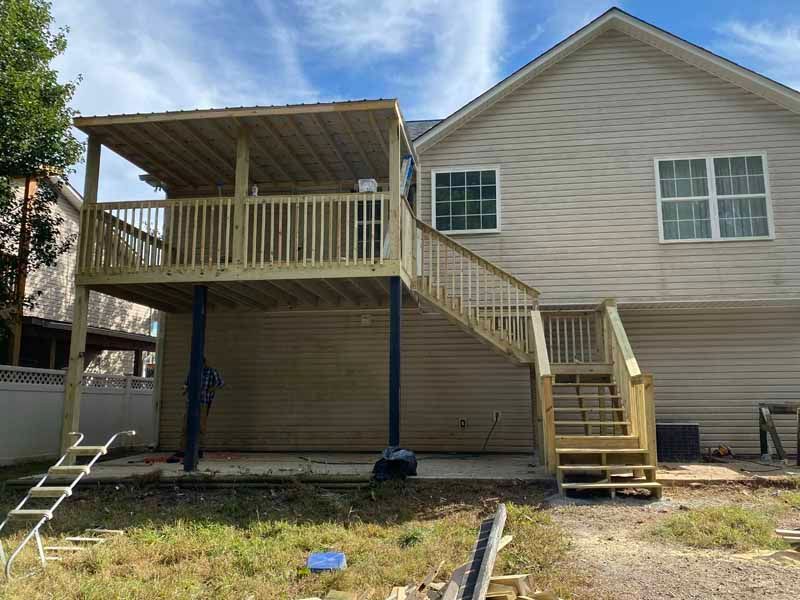
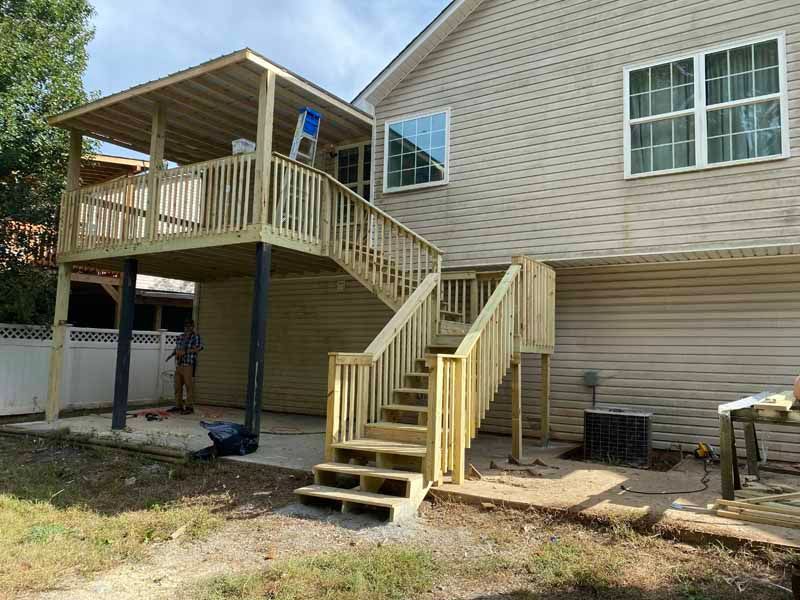
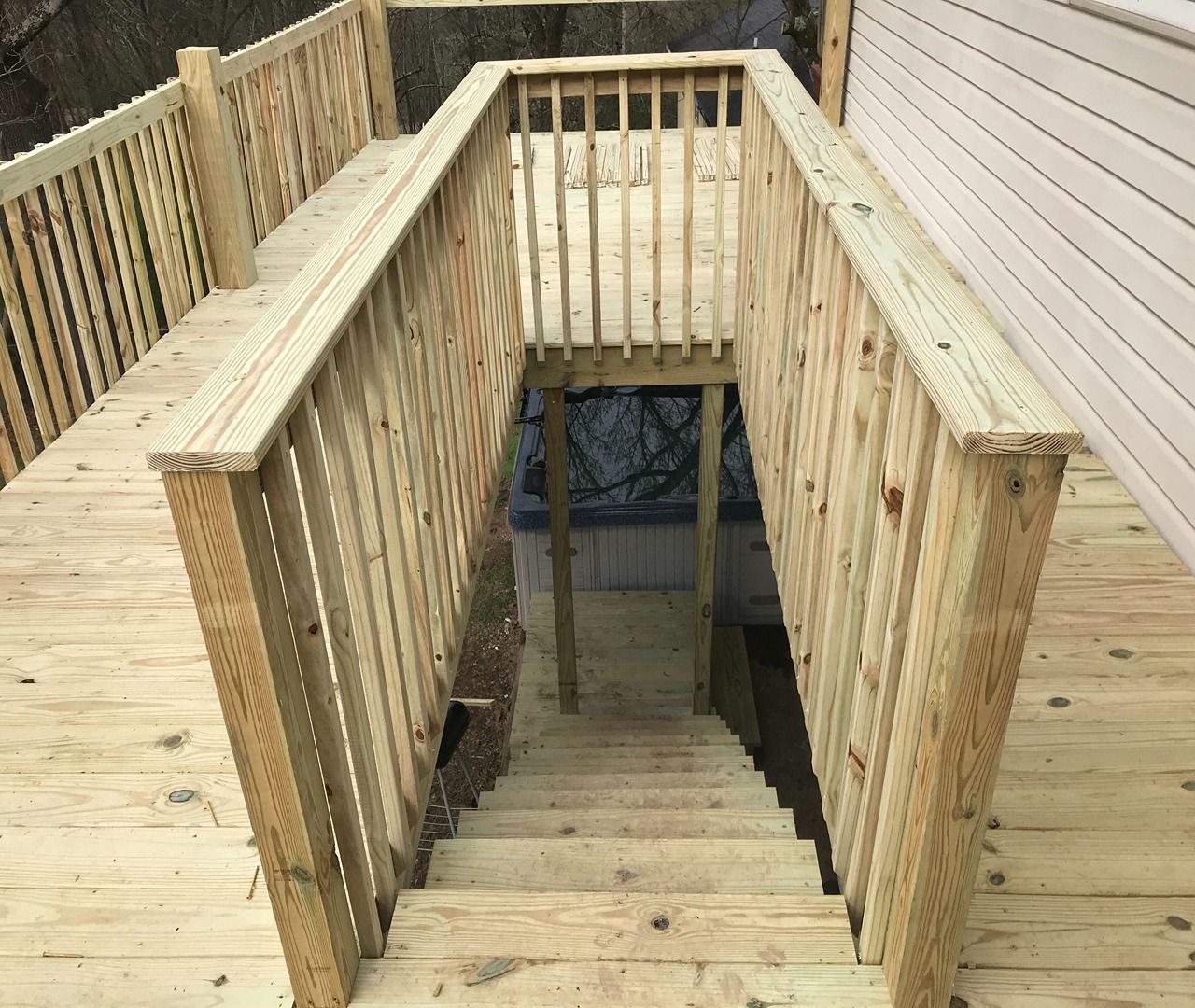
Improperly built stairs cause more deck-related injuries than any other component, typically due to inconsistent riser height or tread depth that disrupts the rhythm users expect when moving between levels. Precision Deck Solutions constructs exterior staircases with uniform measurements across all steps, using stringer calculations that distribute weight loads and prevent the bounce or flex that occurs when support spacing exceeds material capacity. Whether we are working on a local project or for a client nationwide, our stairs integrate into new deck construction or retrofit onto existing structures where access points need improvement or additional entry locations are required to make the outdoor space more functional.
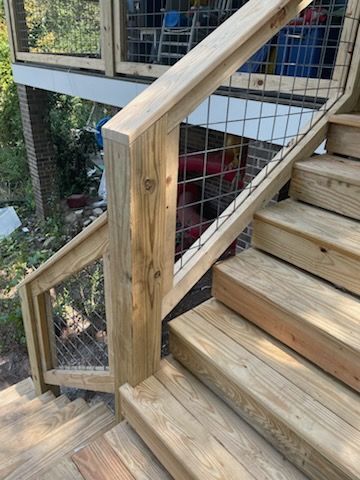
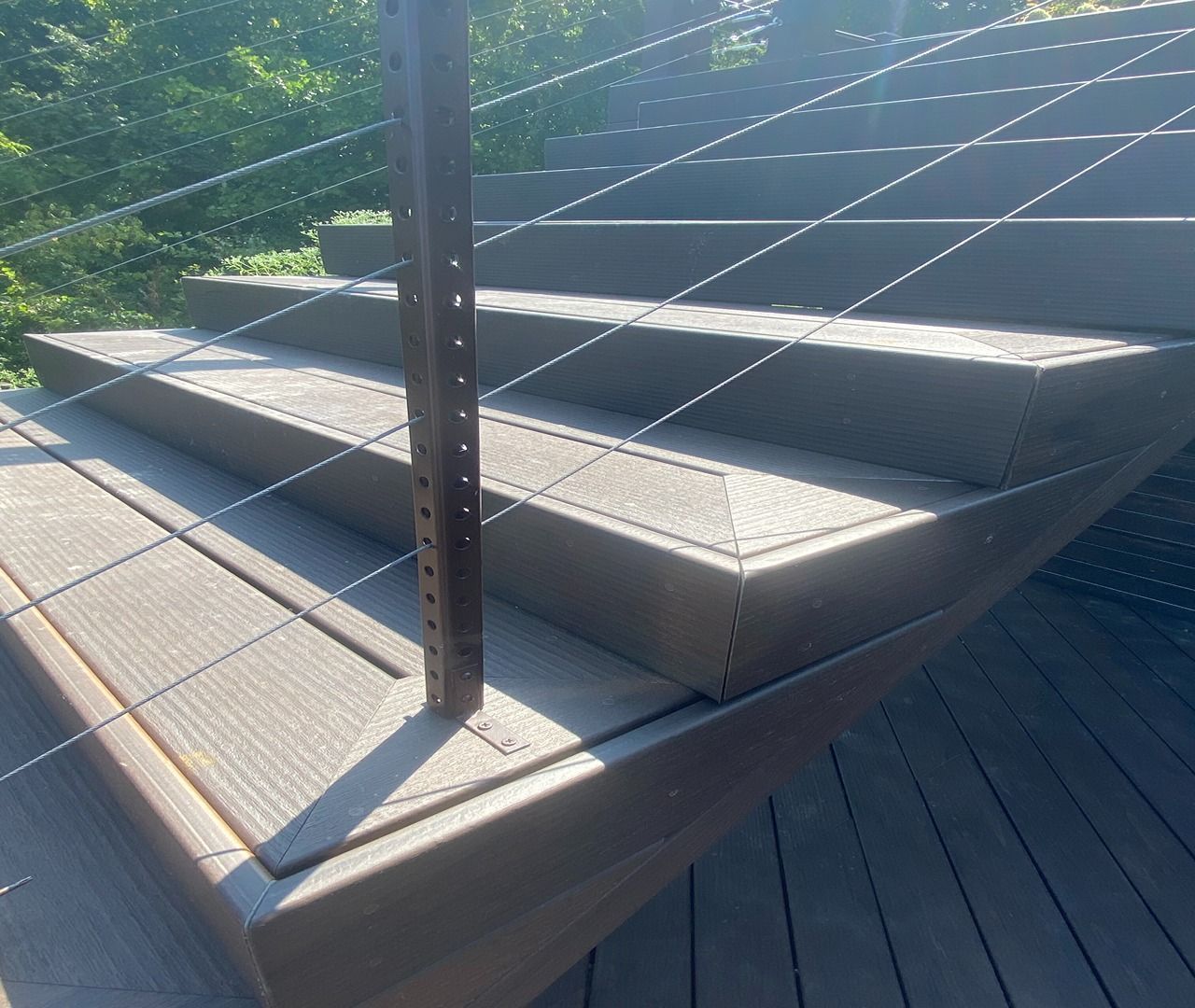
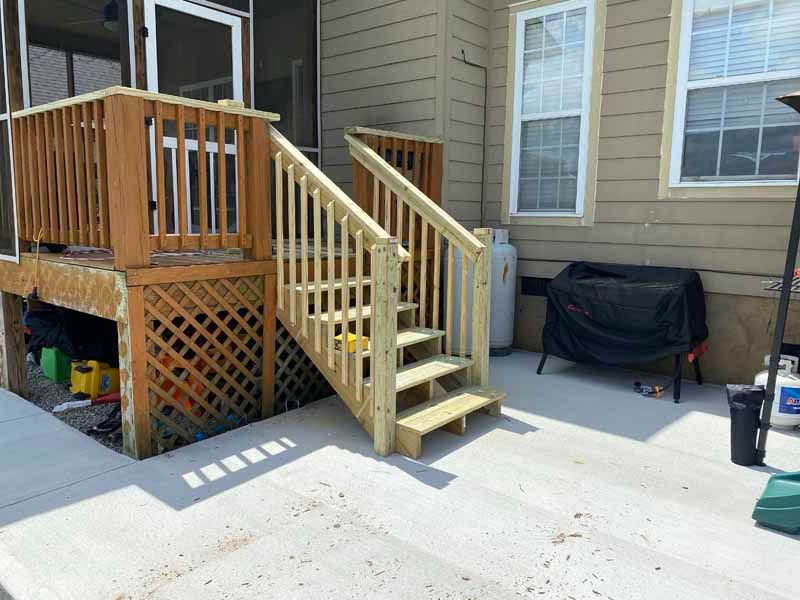
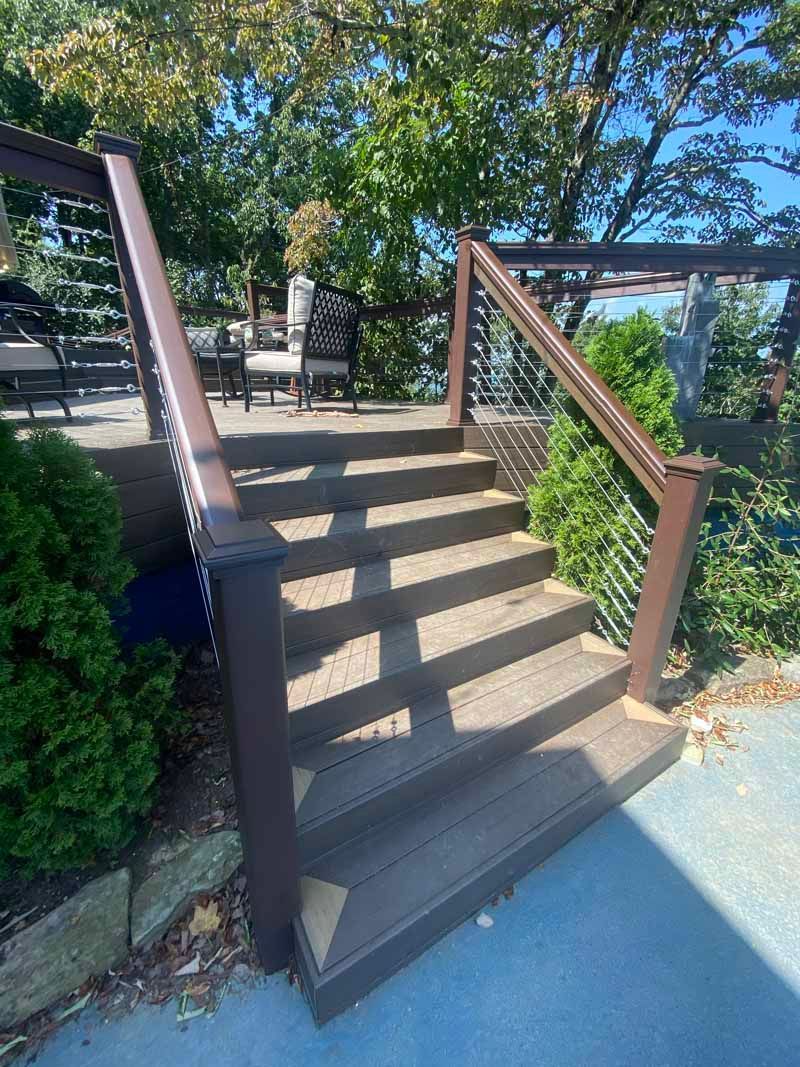
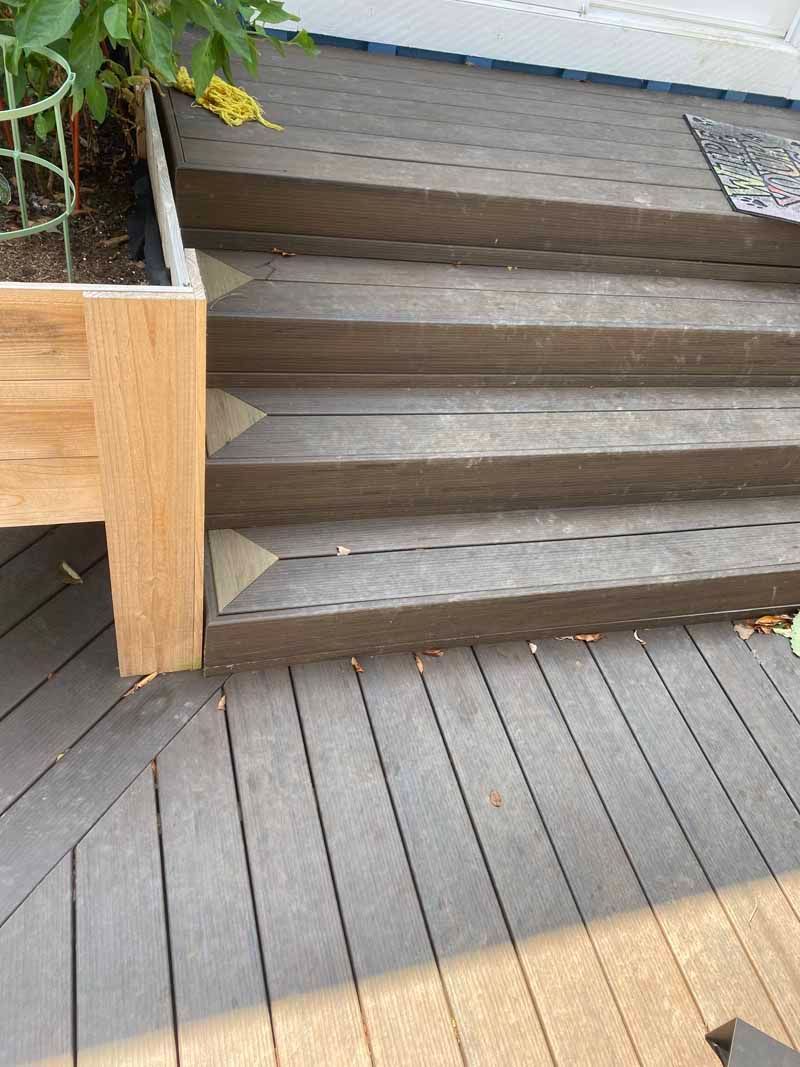
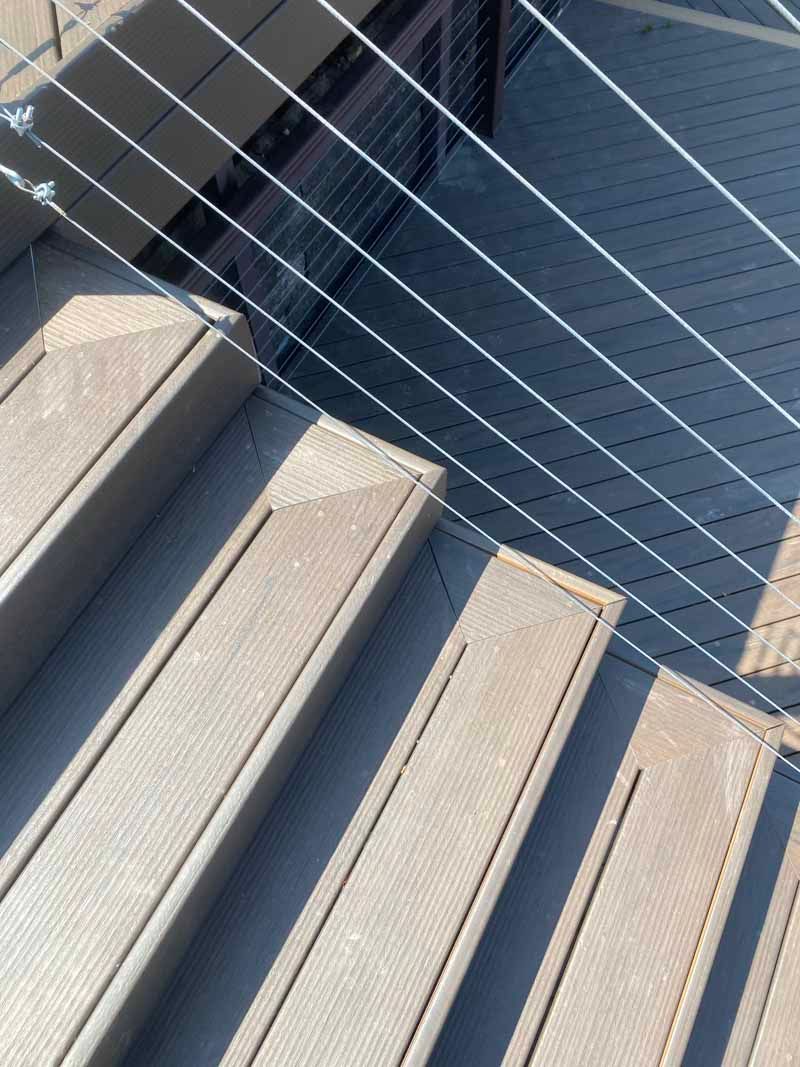
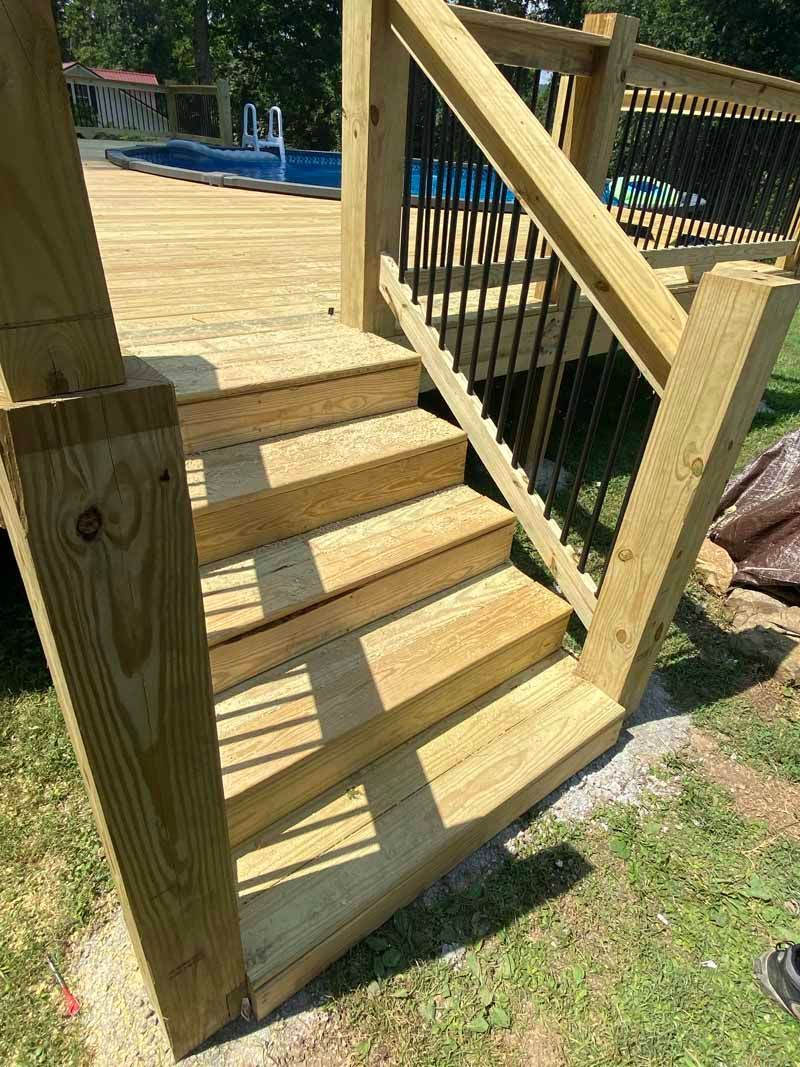
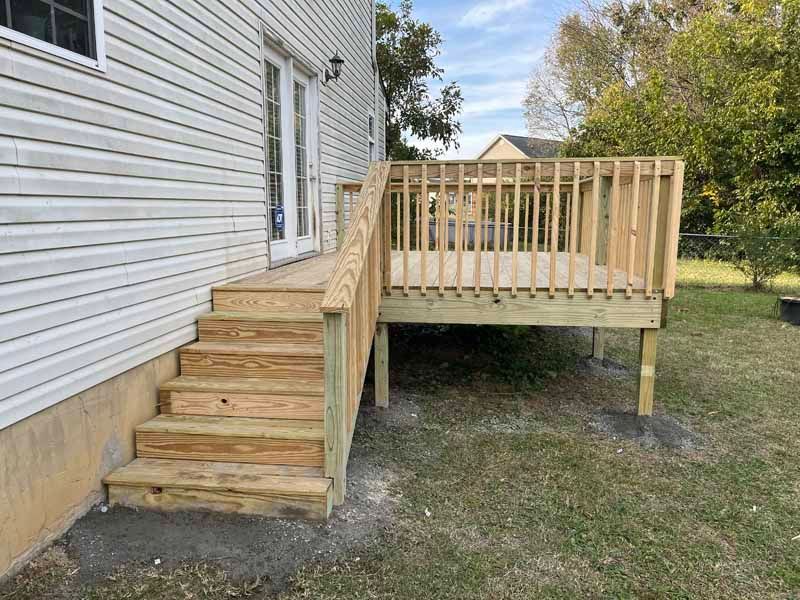
Construction involves cutting stringers to precise rise and run dimensions—typically seven-inch risers and eleven-inch treads for comfortable residential use—then securing them to deck framing and landing pads that prevent settling. Precision Deck Solutions pays close attention to tread overhang and nosing details, as these affect both appearance and safety; proper overhang prevents toe-catch during ascent while maintaining visual consistency with your deck board profiles. Our team is equipped to bring this high level of structural precision to your property, regardless of your location.
Schedule a design consultation today to review your elevation changes and determine stair placement that improves traffic flow between your yard and deck areas, anywhere in the country.
What Proper Support and Spacing Accomplish
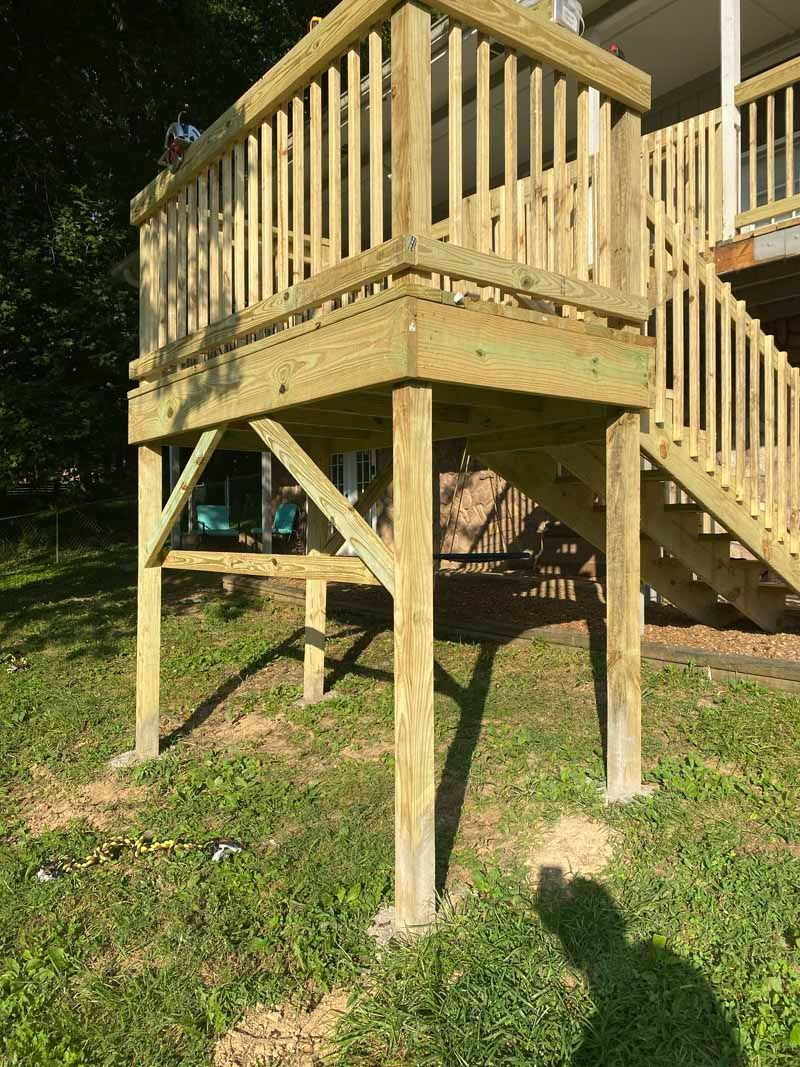
Staircase stability depends on stringer attachment at both top and bottom—blocking between deck joists distributes load at the upper connection, while concrete footings or landing pads prevent the base from sinking into soil during freeze-thaw cycles common in northwest Georgia winters. Precision spaces stringers based on tread span requirements, typically sixteen inches on center for composite treads and twelve inches for wood, preventing mid-span deflection when users step near tread centers.
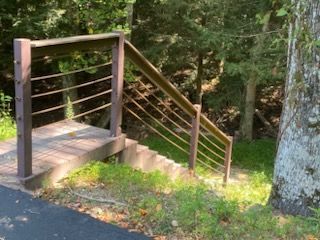
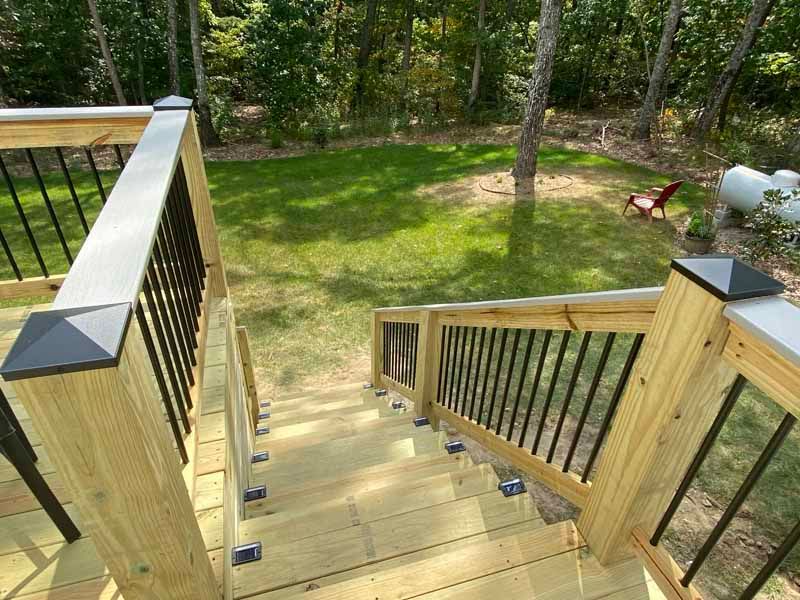
After installation, you notice that each step feels identical in height and depth, eliminating the stumble that occurs when one riser differs by even half an inch from its neighbors. Handrails positioned at code-required heights provide support without interfering with foot placement, and lighting integration options illuminate tread edges for safe nighttime navigation. The stairs handle regular use without developing the squeaks or movement that indicate loosening fasteners or inadequate support structure.
Material selection matches existing deck surfaces for visual continuity, though stair treads often use deeper grooves or more aggressive texture than main deck boards to improve traction during wet conditions. Landings at grade level require dimensions large enough to accommodate door swing radius when stairs provide access to entry doors.
Answers to Frequent Service Questions
Staircase projects generate questions about code compliance and long-term durability for exterior installations.
Precision builds custom staircases that integrate with existing decks and porches throughout Rock Spring. Contact us to discuss your elevation changes and stair design options that improve both safety and property access.