Support Systems Built for Safety and Style
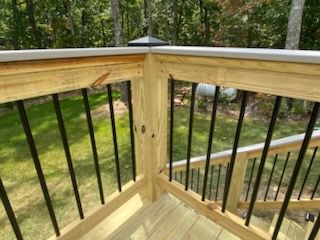
Custom handrails for decks, porches, and stairs needing secure grip points and code-compliant support
Regional temperature swings and humidity fluctuations affect how wood expands, contracts, and ages, which means handrails must be built to remain stable despite ongoing environmental stresses. Handrails installed without accounting for localized wood movement often loosen at connection points or develop gaps that compromise their function. Precision Deck Solutions designs and installs custom handrails that match your home's style while providing the structural stability required for long-term use on decks, entry stairs, and elevated porches. Because our team travels nationwide, we bring this specialized knowledge of environmental stress and structural integrity to every project, tailoring our techniques to your specific local climate.
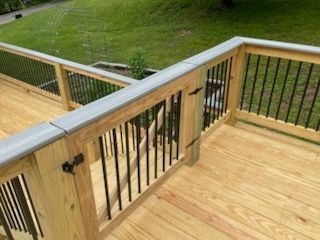
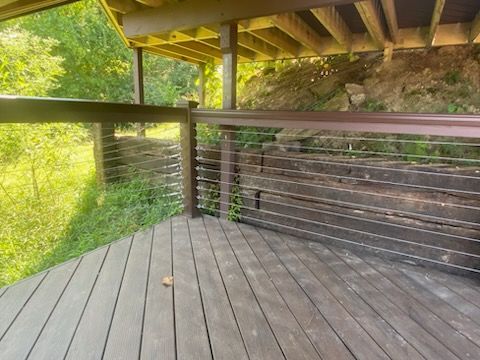
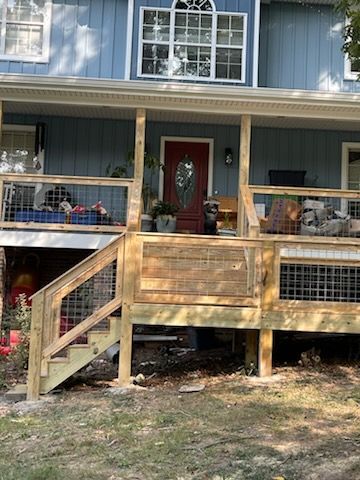
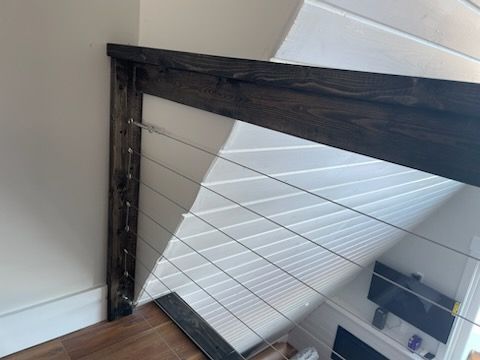
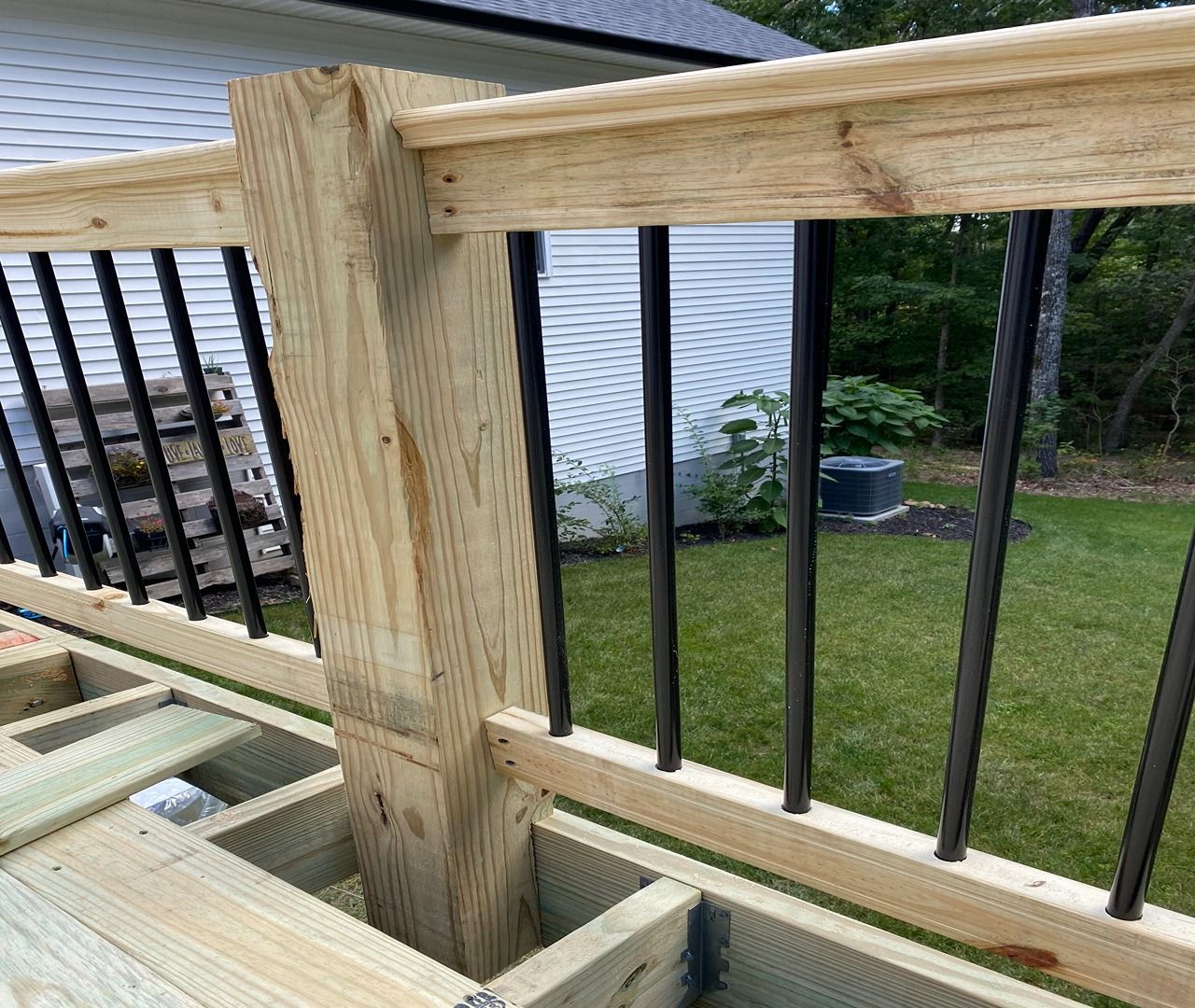
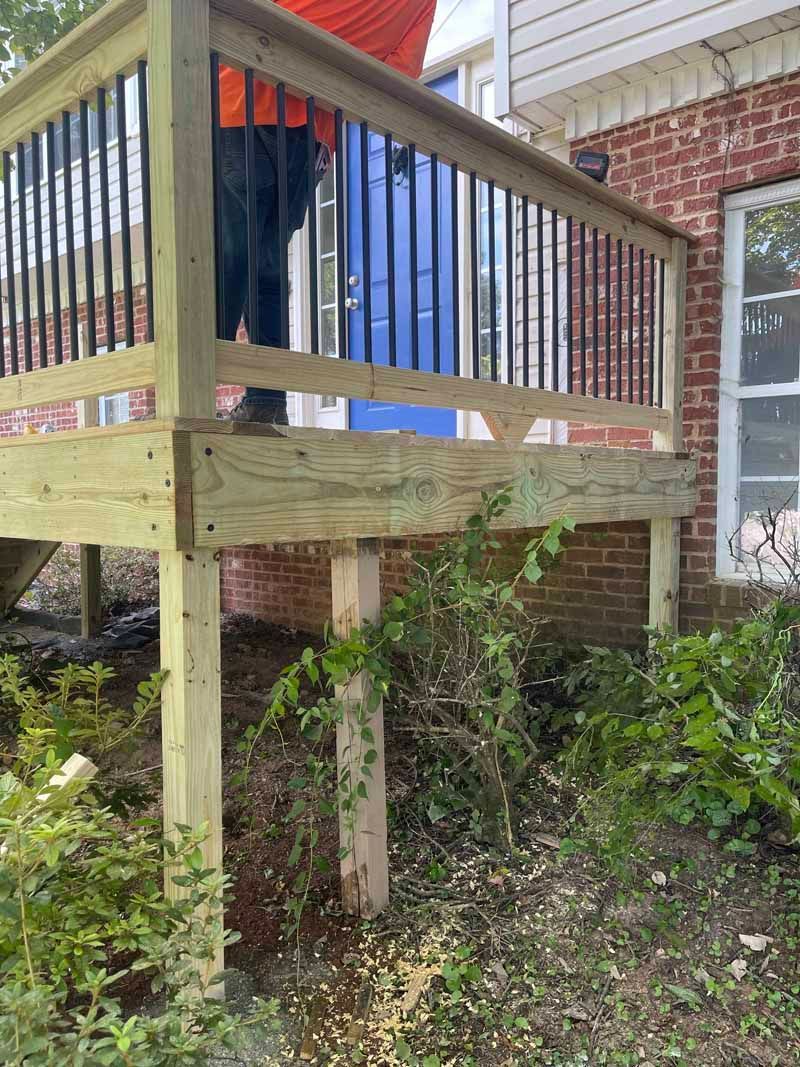
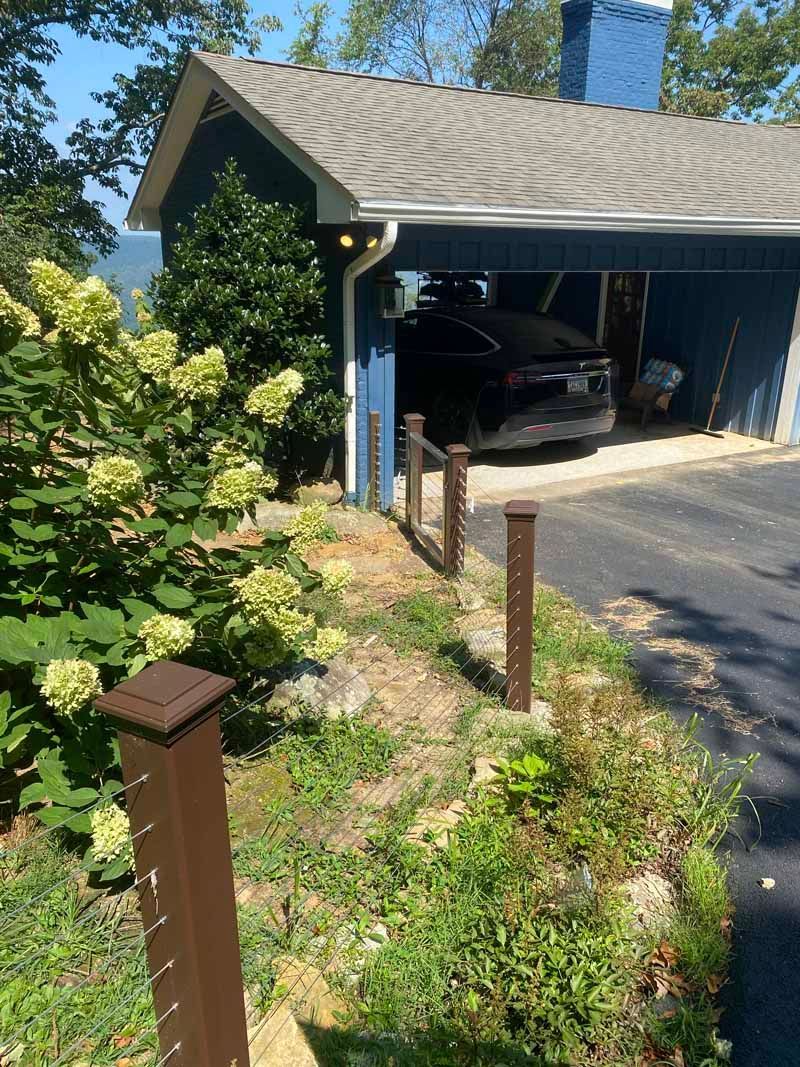
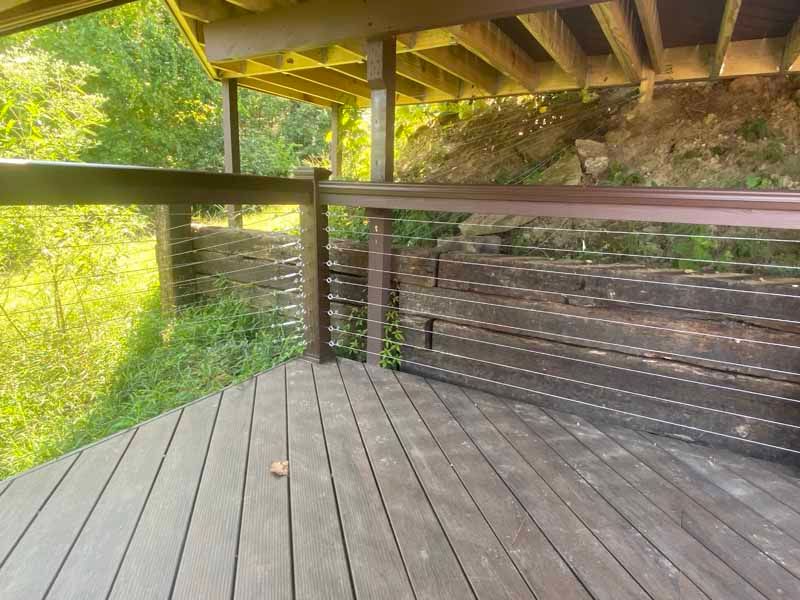
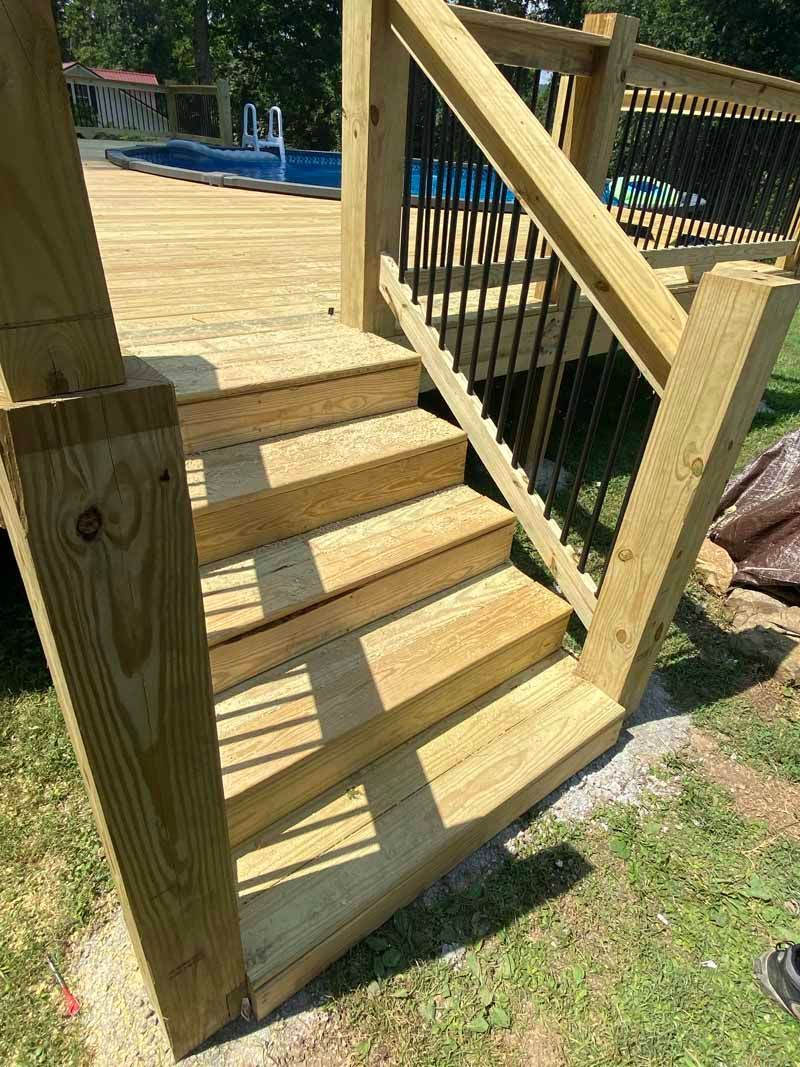
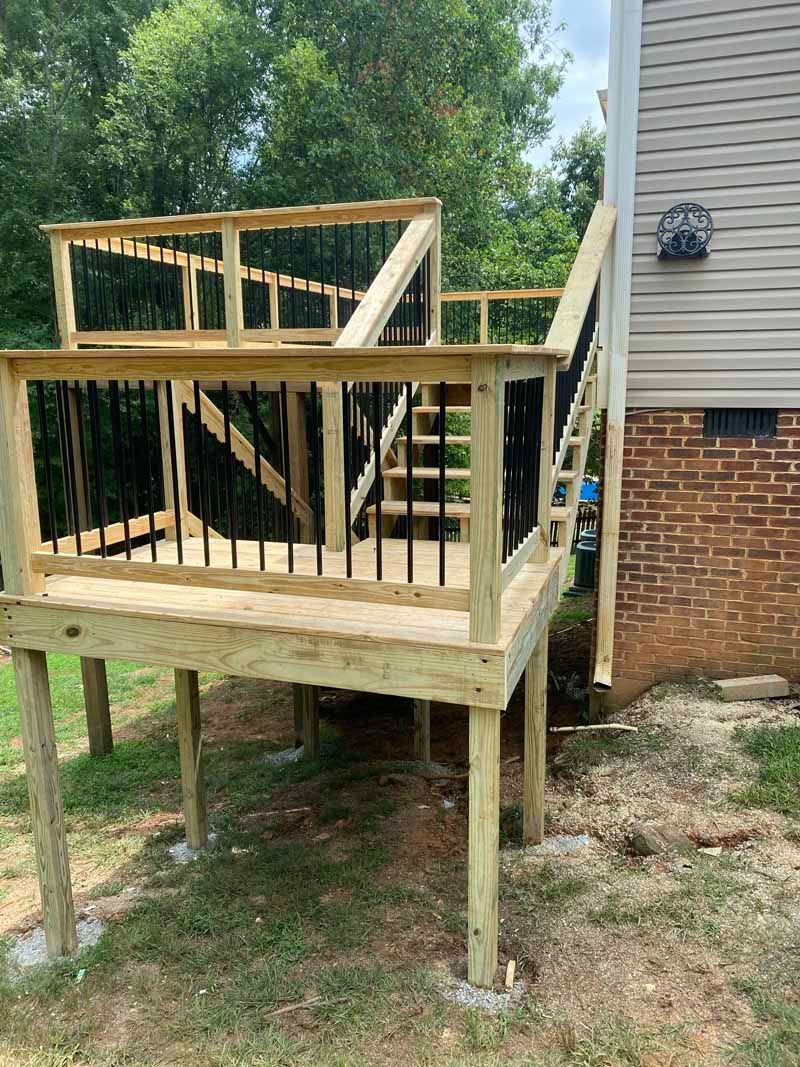
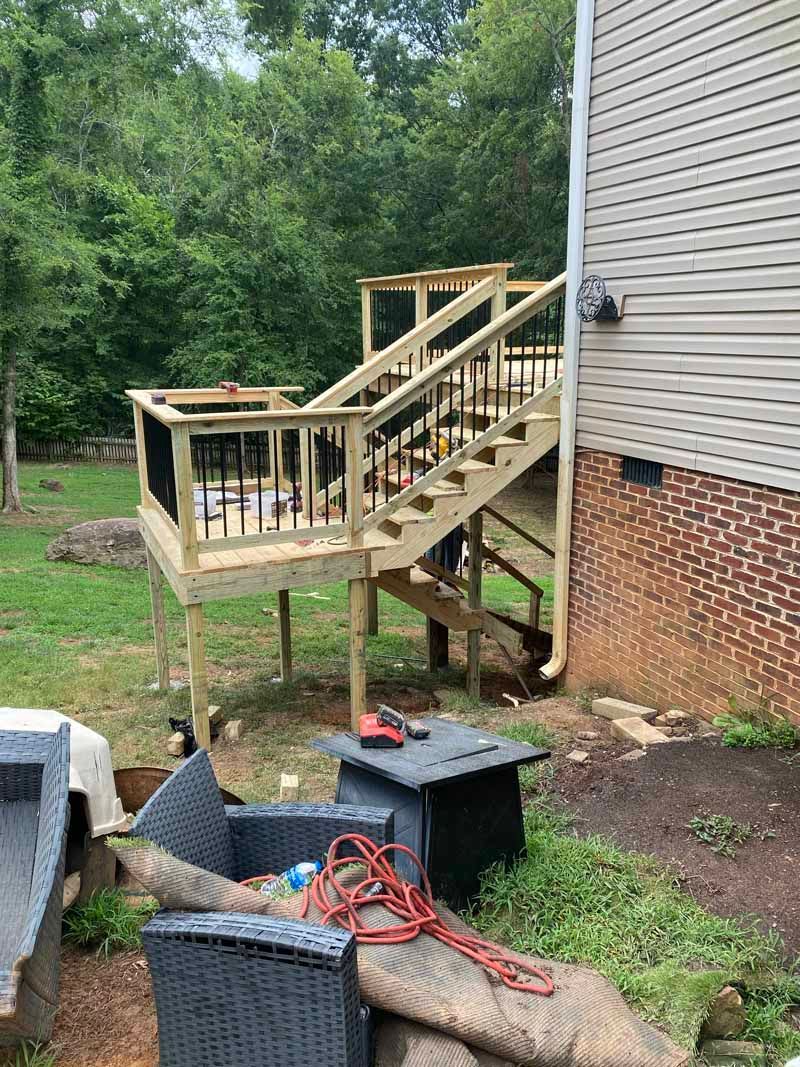
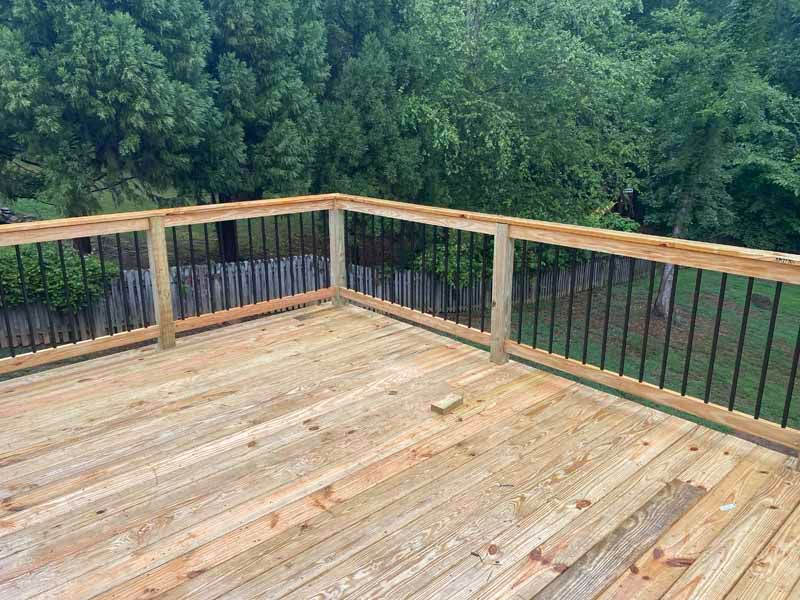
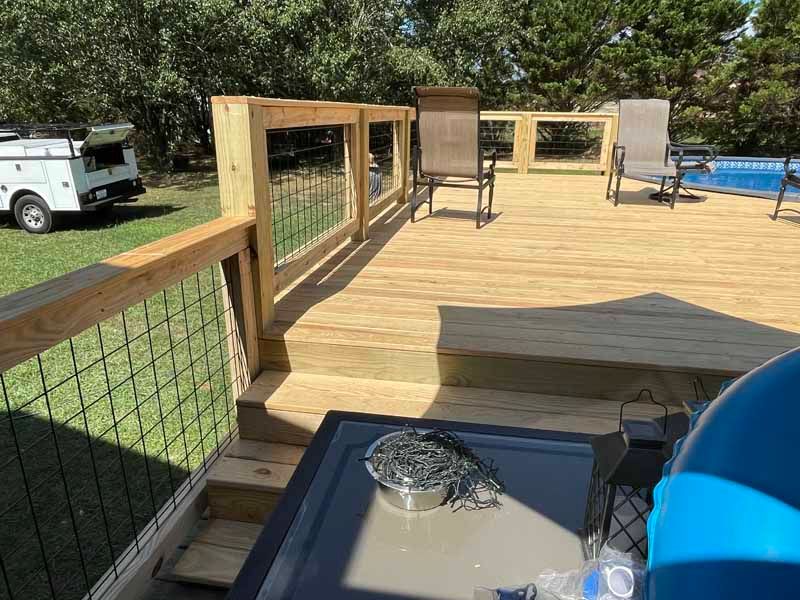
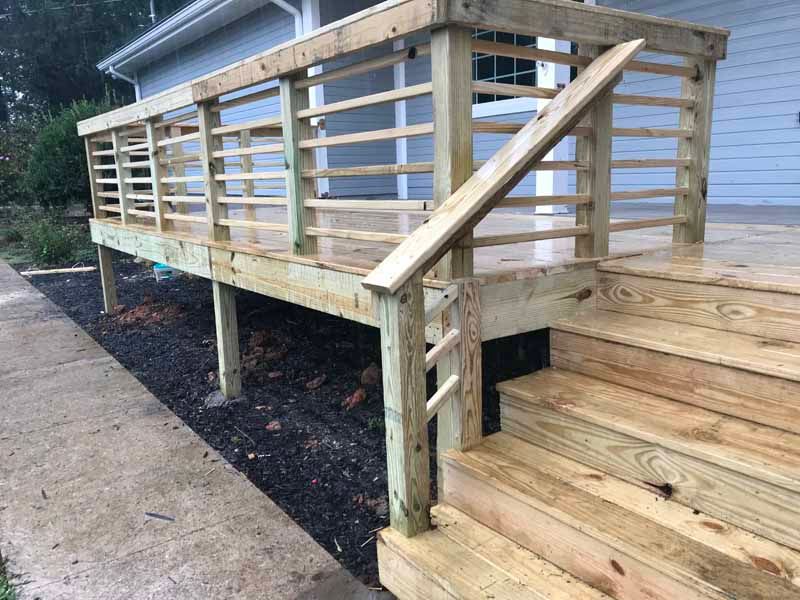
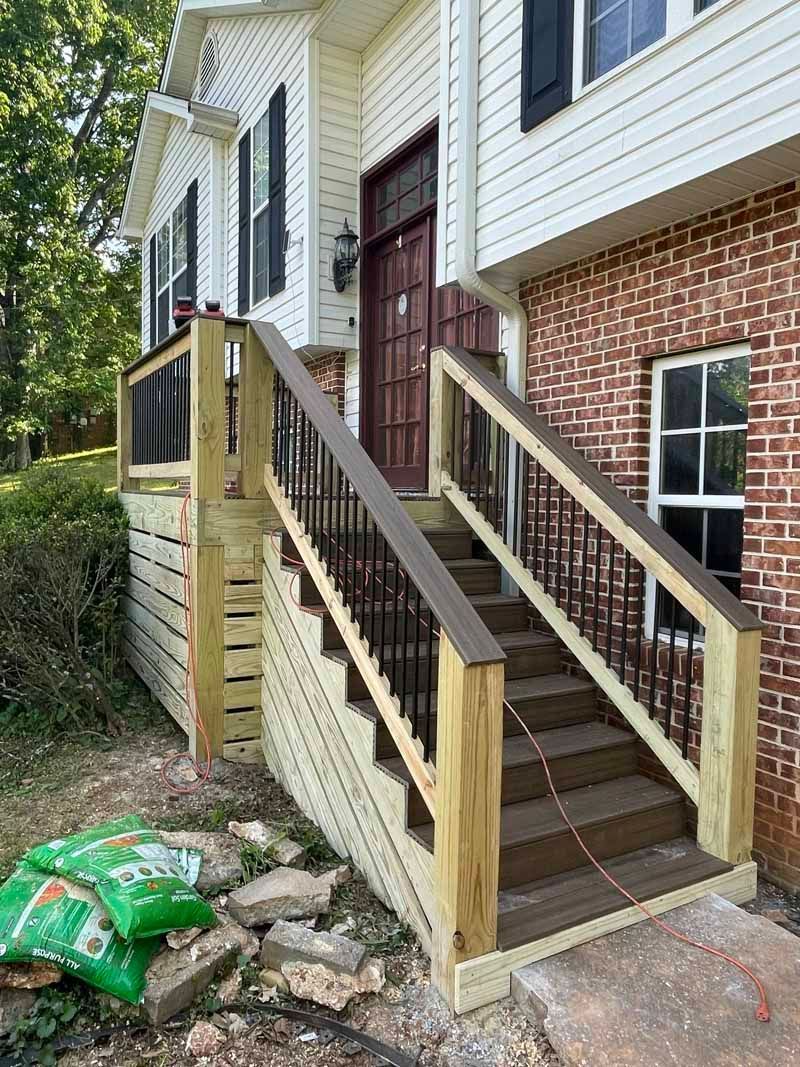
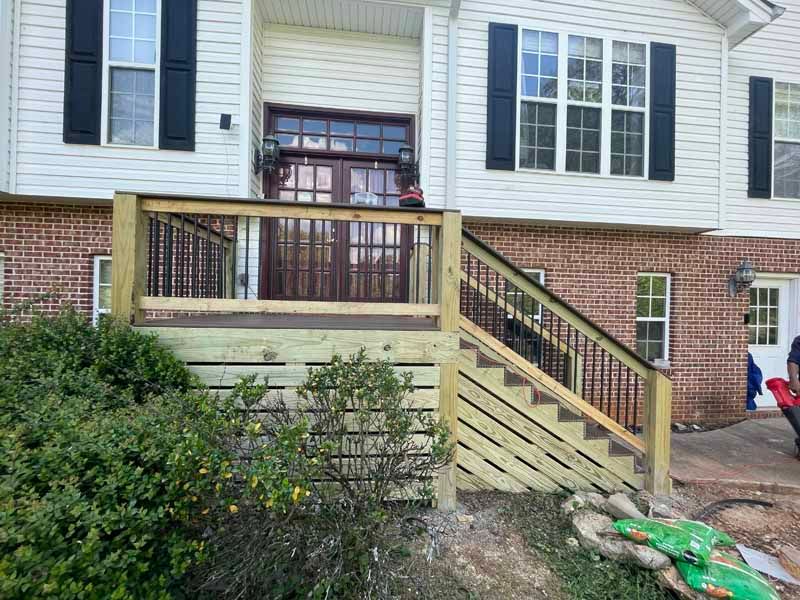
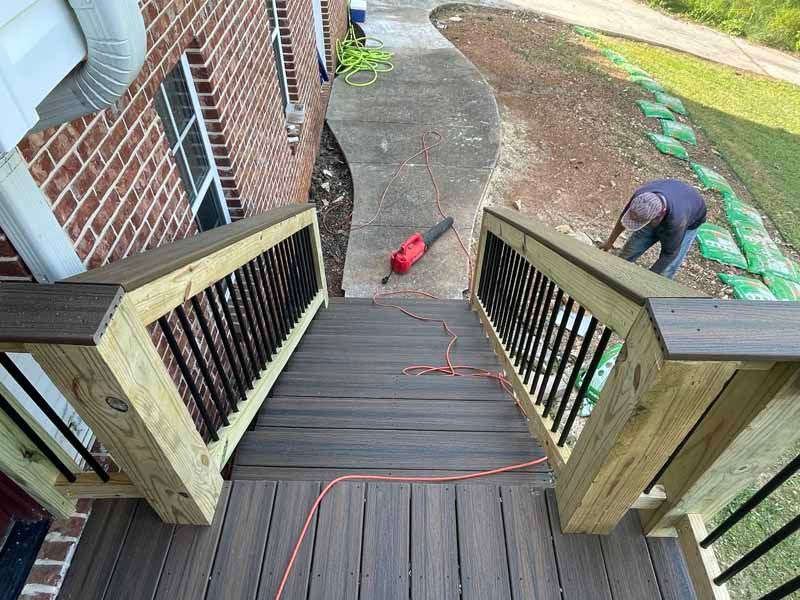
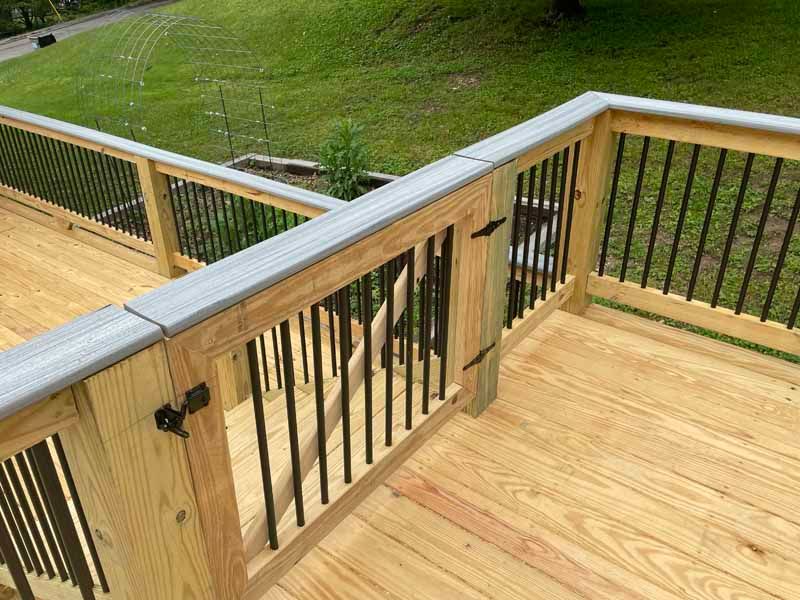
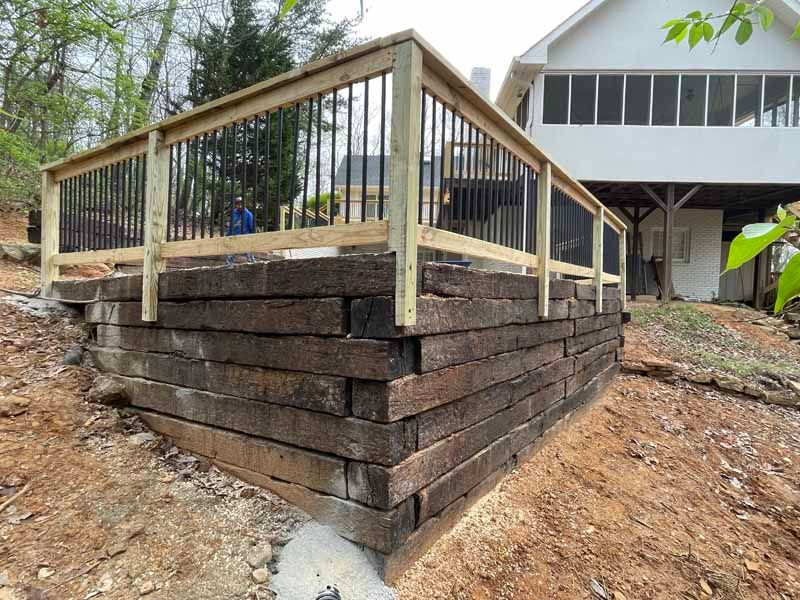
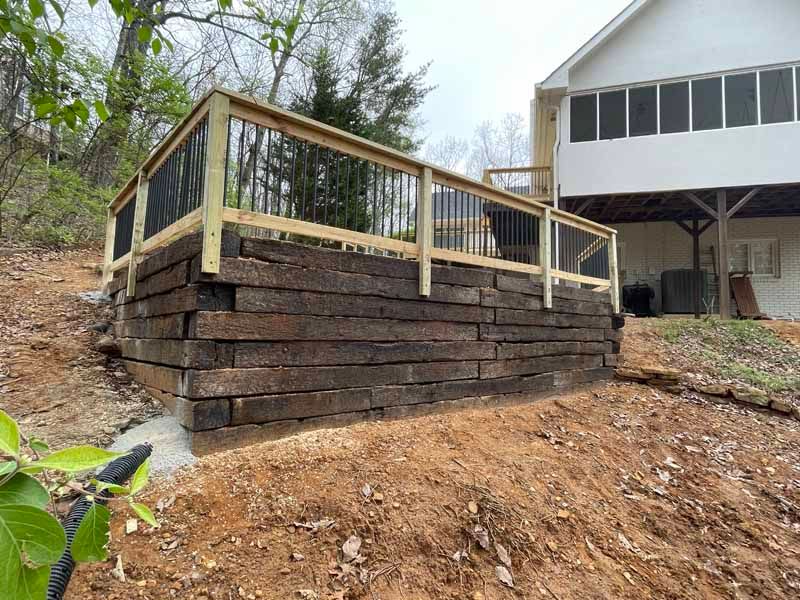
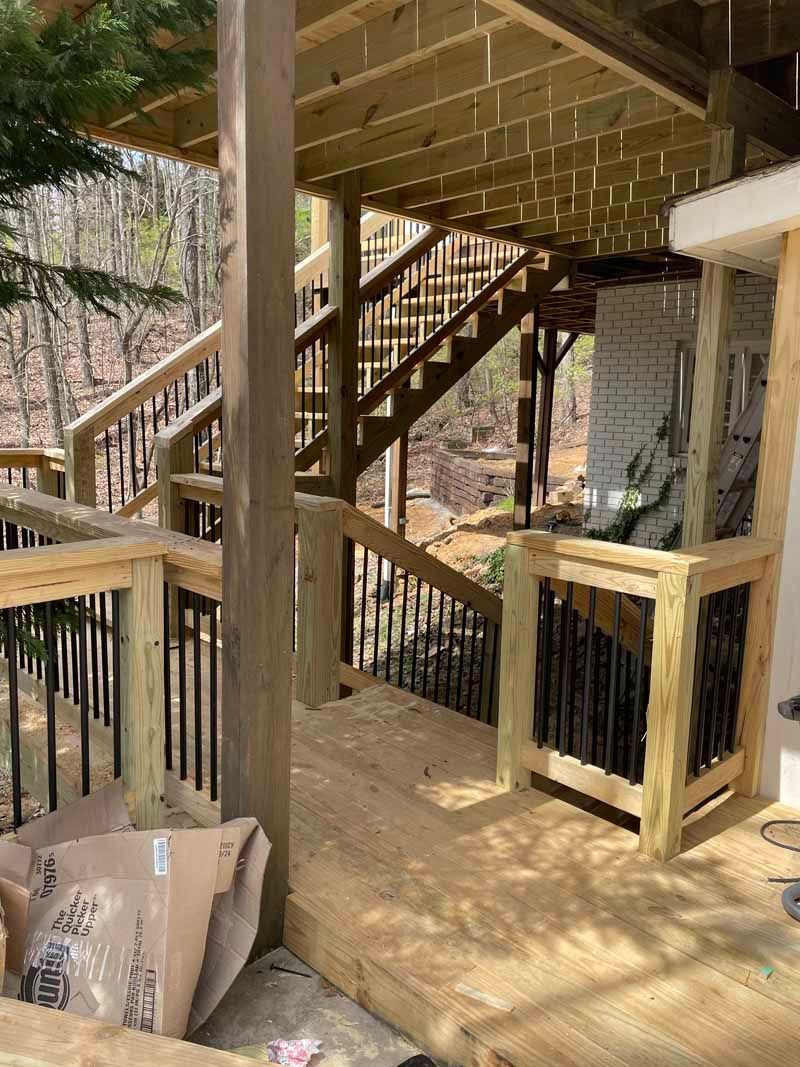
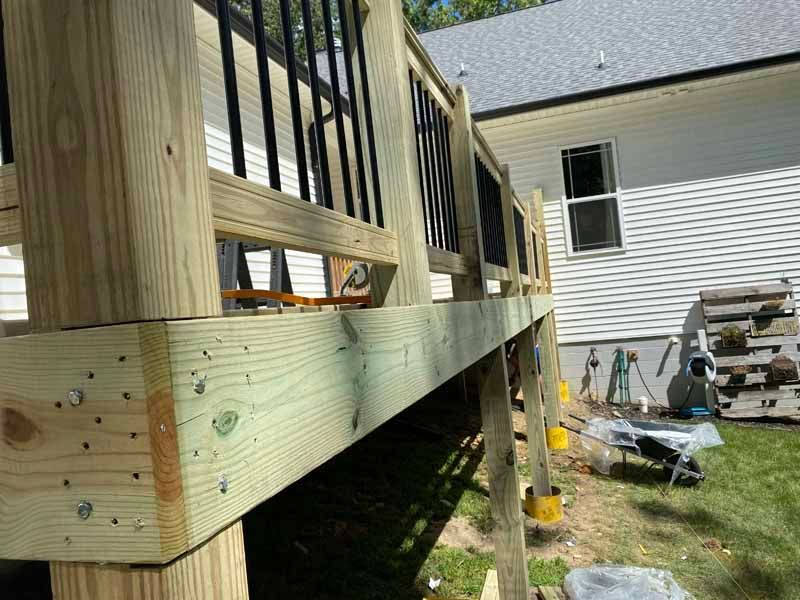
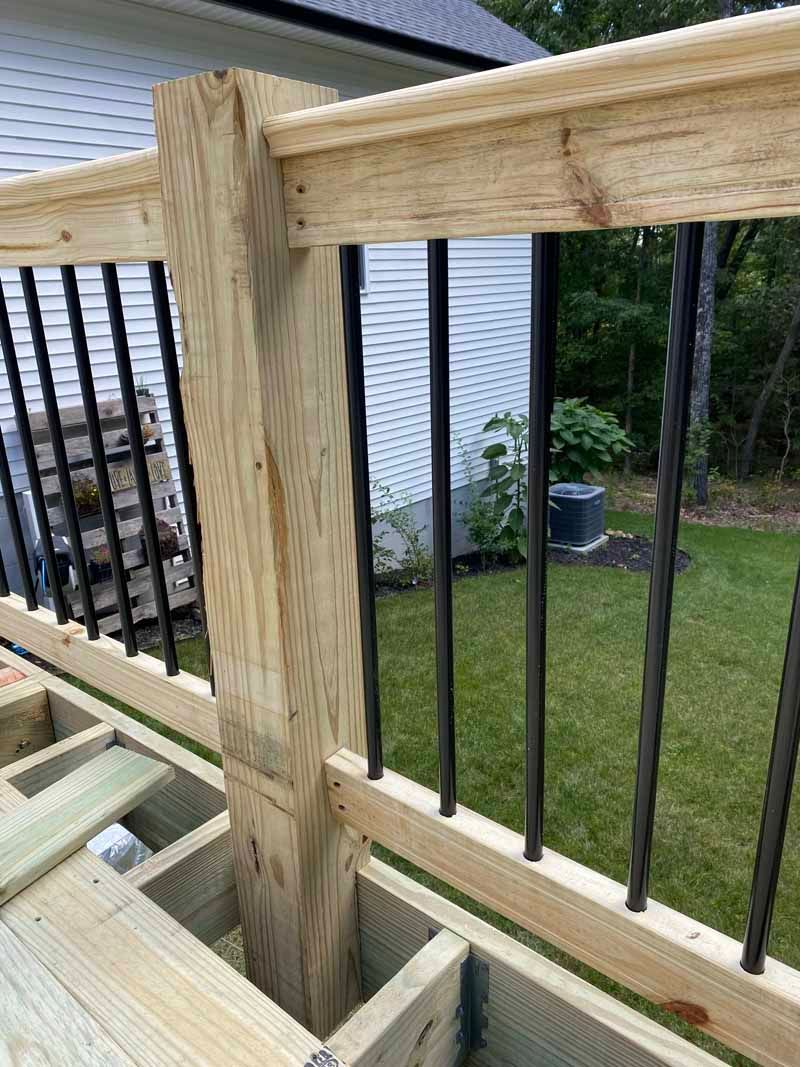
Custom handrail construction involves fitting posts, top rails, and balusters to the specific dimensions and angles of your existing structure, then securing each component with fasteners that resist loosening as wood shifts. Precision Deck Solutions builds every system to meet residential safety expectations, including rail height, baluster spacing, and graspable rail profiles that provide reliable support. Materials are selected to match or complement your deck or porch finish—whether that is painted wood, stained cedar, or composite—to ensure a coordinated look.
Request a custom measurement and installation quote to add handrails where they're currently missing or to upgrade railings that no longer feel secure, anywhere in the country
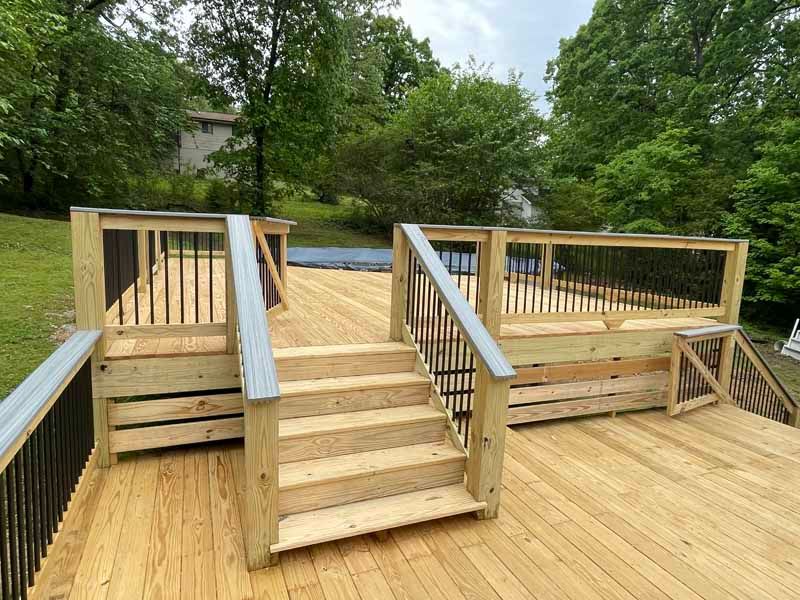
What Proper Handrail Installation Requires
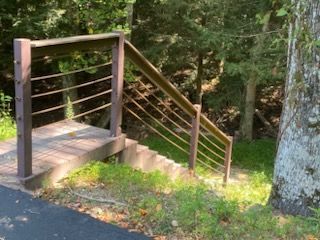
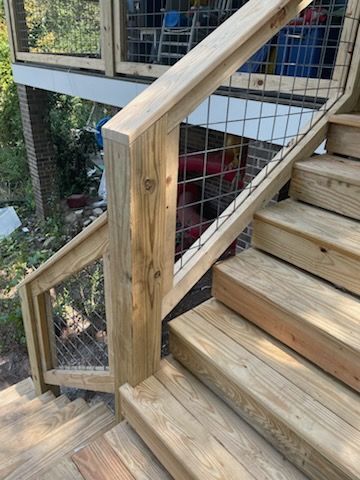
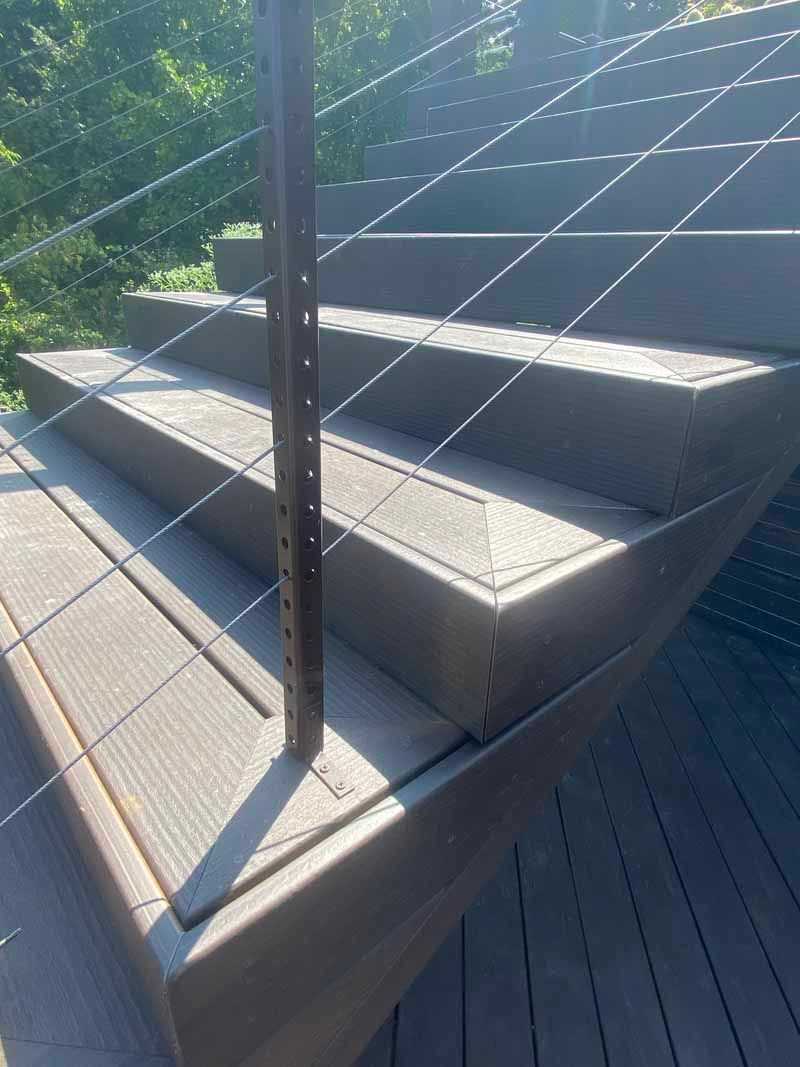
Installing handrails involves anchoring posts to the deck frame or stair stringers using through-bolts or structural screws that penetrate deep enough to handle lateral force without pulling free. Top rails are attached across posts at a consistent height, and balusters are spaced to prevent gaps wide enough for a child to slip through. Each connection point is checked for tightness, and rail sections are aligned to eliminate wobble or flex when gripped firmly.
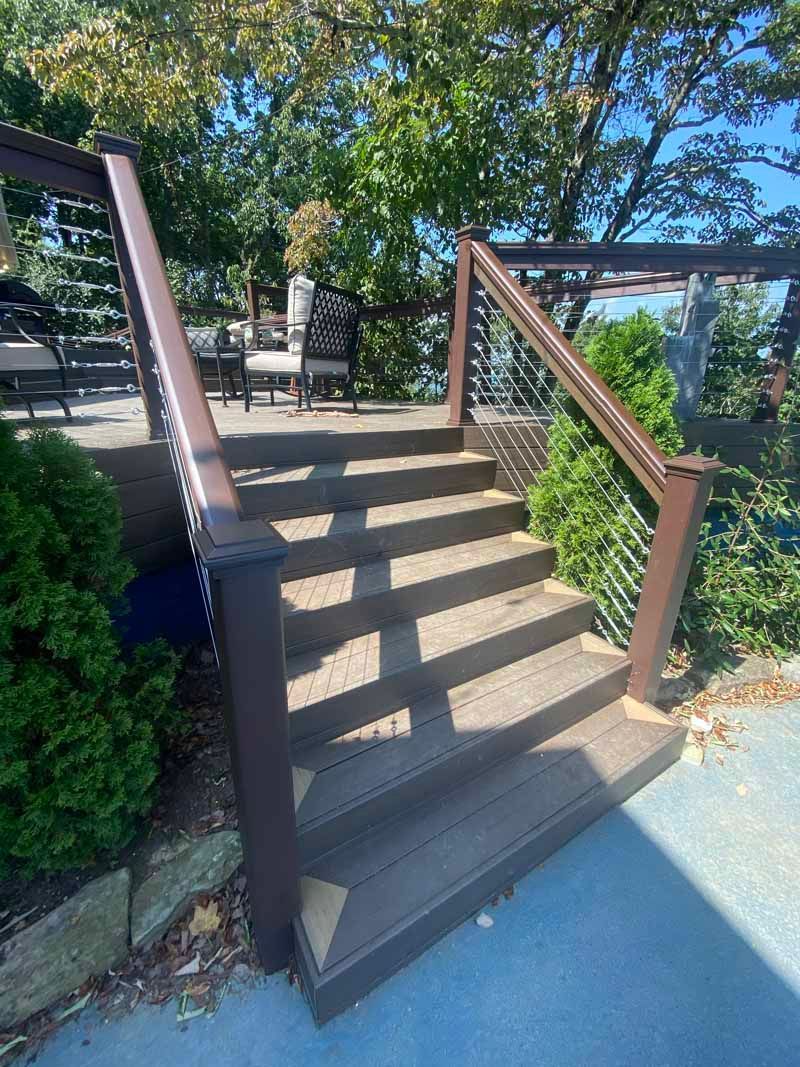
Once installed, you'll notice the handrail provides a solid grip point when navigating stairs or moving along the deck edge, and the system remains rigid even when weight is applied at angles or during quick directional changes. The railing no longer shifts or creaks when touched, and visually, the finished handrail integrates with the deck or porch design rather than appearing as an afterthought. For older structures, new railings often represent a noticeable upgrade in both safety and appearance.
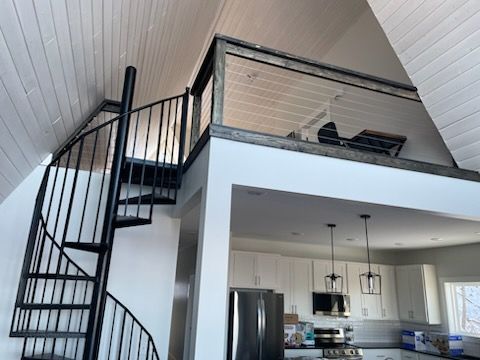
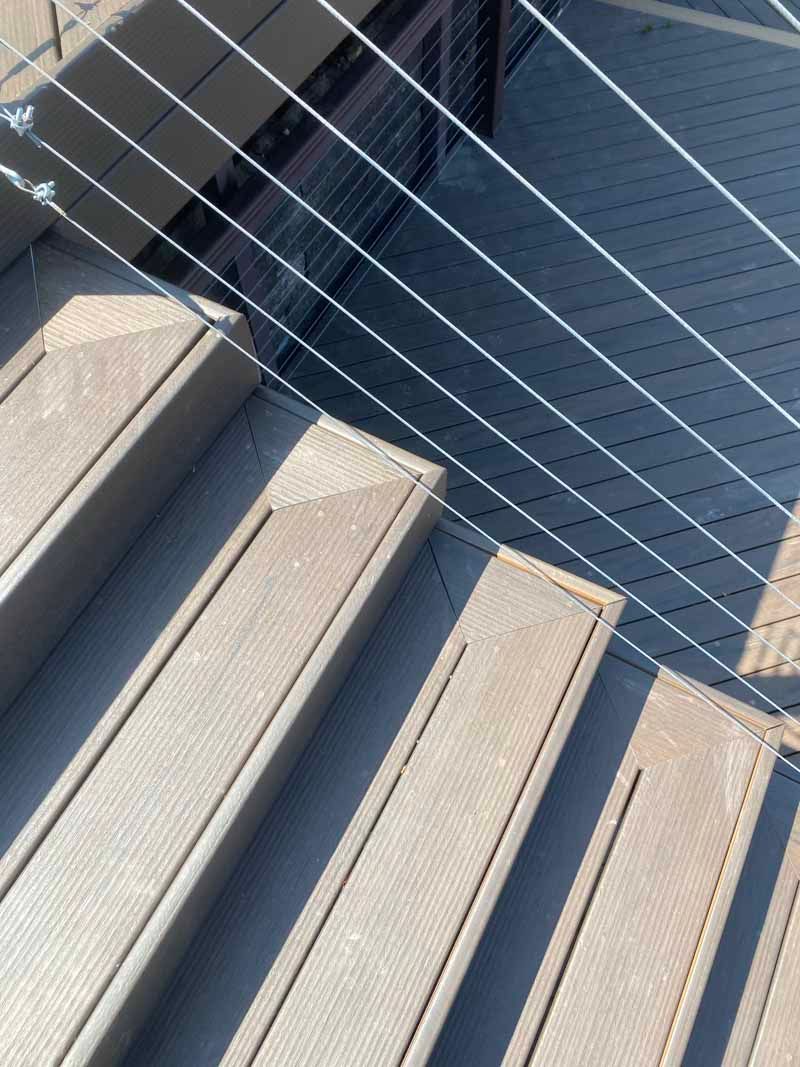
Handrail projects vary in complexity depending on stair configuration, deck elevation, and whether the railing ties into existing posts or requires new support structures. Custom builds accommodate curved stairs, multi-level decks, and architectural details that standard pre-fabricated railing systems can't address effectively.
Questions About Handrail Design and Installation
Property owners upgrading accessibility or preparing homes for resale often ask about material choices, design flexibility, and installation requirements.
Precision builds handrails to fit your specific structure and provide the support your property needs for safe, accessible outdoor spaces. Reach out to discuss your handrail project and arrange for precise measurement and installation planning tailored to your deck or porch configuration.